Tips
How to Choose the Right Scuba Diving Fins: A Comprehensive Guide
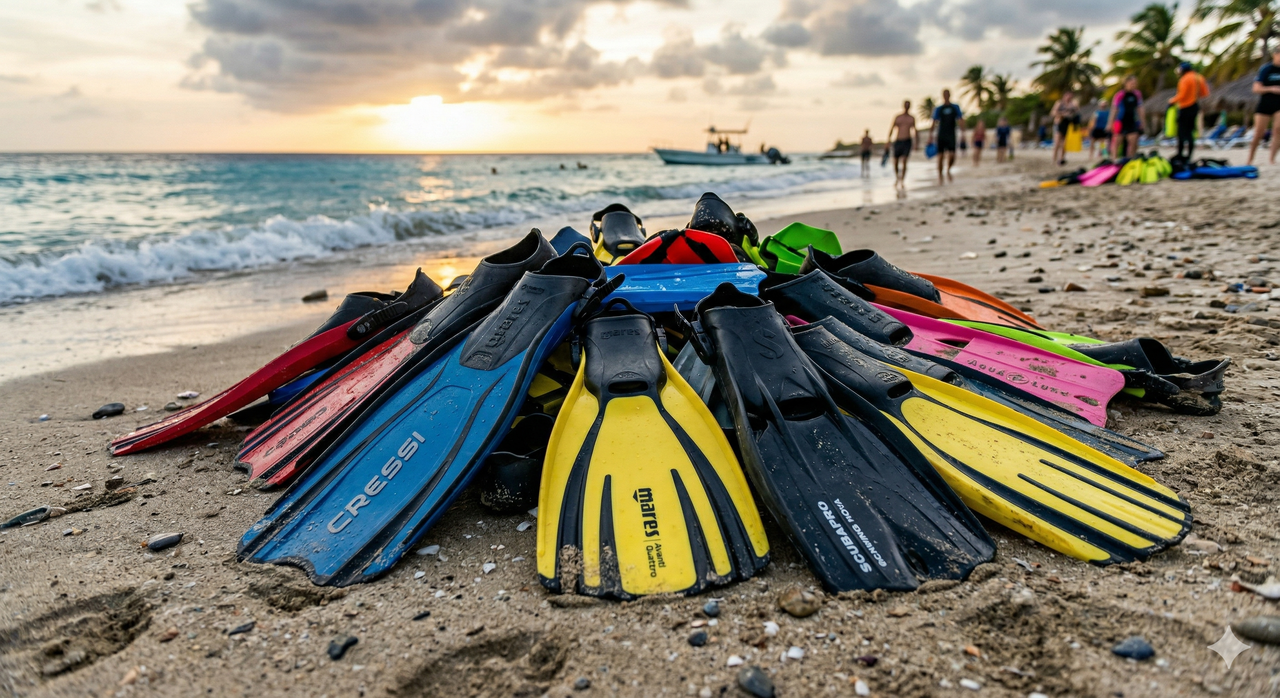
Choosing the right scuba diving fins is essential for underwater comfort and efficiency. This comprehensive guide explores various designs, from powerful open-heel paddle fins to effortless split fins, while detailing how material, blade stiffness, and diving conditions influence performance. Discover how to select the perfect pair to enhance your propulsion and control.
By ScubaDownUnder Team · Published 28 March 2026
# How to Choose the Right Scuba Diving Fins: A Comprehensive Guide Scuba diving is an incredible activity that transports you to an alien world, but to truly enjoy it, having the right equipment is paramount. Among the most crucial pieces of gear are your fins. Far from mere paddles, the correct pair of fins can dramatically enhance your propulsion, control, and overall comfort underwater, turning a strenuous swim into an effortless glide. This comprehensive guide will navigate you through the myriad options available, ensuring you make an informed decision that suits your diving style and physical capabilities.
## Understanding the Different Types of Scuba Diving Fins Fins come in a variety of designs, each tailored for specific conditions and diving preferences. Knowing the fundamental differences is the first step towards choosing your ideal pair.
## **Open-Heel Fins** - **Open-heel fins **feature an adjustable strap that secures them to your foot, allowing them to be worn over dive boots. This design is highly popular for several reasons: - **Protection and Warmth:** Dive boots provide insulation in colder waters and protect your feet from abrasions when entering or exiting the water over rocky terrain. - **Comfort and Fit**: The adjustable strap accommodates a range of foot sizes and allows for a more customised fit, which is particularly useful if you anticipate varying boot thicknesses or sharing fins. - **Power and Efficiency**: Generally larger and stiffer, open-heel fins are often preferred by divers who need powerful propulsion for currents or carrying heavy gear.
## **Full-Foot Fins** As the name suggests, full-foot fins enclose your entire foot, similar to a shoe, and are worn barefoot. They are often the choice for: - Warm Water Diving: Without the need for boots, they are lighter and more comfortable in tropical climates. - Snorkelling and Free-diving: Their streamlined design and direct energy transfer make them efficient for surface swimming and breath-hold diving. - Travel: Their lighter weight and compact design can make them easier to pack.
## **Split Fins** A relatively modern innovation, split fins are characterised by a blade divided down the middle, resembling a whale's tail. The theory behind their design is to reduce effort and increase propulsion by allowing water to flow through the split, creating lift and thrust with less strain. - **Reduced Leg Strain:** Many divers report less fatigue and cramping with split fins, making them a good option for those with weaker legs or joint issues. - **"Propeller" Effect**: The split creates a vortex of water that is said to generate thrust more efficiently than a solid blade. - **Specific Kick Style:** They perform best with a smaller, faster flutter kick rather than a powerful frog kick.
## **Paddle Fins (or Blade Fins)** This is the traditional and most common fin design, featuring a solid blade. Paddle fins are known for: - **Powerful Propulsion:** When properly used, they offer substantial thrust, making them excellent for navigating strong currents or moving with heavy technical gear. - **Versatility:** They are highly versatile and can be used with various kick styles, including the flutter kick, frog kick, and helicopter kick, offering precise control. - **Durability:** Their straightforward design often makes them very robust. - ** Materials Matter:** What Your Fins Are Made Of
> The material composition of your fins significantly impacts their performance, durability, and weight.
- **Rubber:** Traditional and highly durable, rubber fins are often heavier but provide excellent snap and power. They are known for their longevity. - **Thermoplastics:** Lighter and more flexible than traditional rubber, thermoplastics offer a good balance of performance and comfort. They are often found in mid-range fins. - **Composite Materials:** High-performance fins often incorporate a blend of different plastics and rubbers, sometimes with inserts of carbon fibre or other advanced materials. This allows manufacturers to precisely engineer areas of flexibility and stiffness for optimal energy transfer and thrust. Key Features and Design Elements to Consider Beyond the basic type and material, several design elements play a critical role in how fins perform.
## Blade Length and Stiffness:
- ** Longer Blades**: Generally provide more power and are suited for open water and strong currents, but require more leg strength. - ** Shorter Blades:** Offer greater manoeuvrability and are ideal for confined spaces (wrecks, caves) or for divers who prefer a faster, higher-cadence kick. - **Stiffer Blades:** Deliver more power with each kick but can lead to greater leg fatigue. - **More Flexible Blades: **Require less effort but generate less thrust per kick. - **Foot Pocket Design:** A well-fitting foot pocket is crucial. It ensures efficient transfer of energy from your legs to the blade and prevents chafing or cramping. Look for anatomical designs that cradle your foot securely without being too tight or too loose. - **Channels and Vents:** Many fins feature channels, vents, or ribs along the blade. These are designed to: - **Direct Water Flow:** Minimise water spillage off the sides of the blade, channelling it efficiently for thrust. - **Reduce Drag: Improve hydrodynamic efficiency.**
## Strap Systems (for open-heel fins): - **Traditional Buckles**: Common, adjustable, but can be cumbersome with thick gloves. - **Bungee Straps:** Offer excellent comfort, easy donning/doffing, and automatically adjust to boot compression. Highly recommended for convenience. - **Spring Straps:** Extremely durable and easy to use, maintaining constant tension. A popular upgrade for many divers.
## Factors for Choosing Your Perfect Pair of Fins > With an understanding of fin types, materials, and features, let's now consider how your personal diving profile influences the best choice.
Diver's Physical condition and Strength: Your leg strength and fitness level are critical. If you have powerful legs, you might opt for stiffer, longer paddle fins. If you prefer less exertion or have joint issues, split fins or more flexible paddle fins could be better.
## Type of Diving:
- **Recreational Diving:** Most divers will find open-heel paddle fins or split fins to be versatile and comfortable. - **Technical Diving:** Often requires powerful, stiff paddle fins (like force fins) for precise manoeuvring, frog kicks, and back kicks, especially with twin tanks or side-mount configurations. - **Free-diving/Spearfishing:** Long, flexible full-foot fins are preferred for maximum propulsion with minimal effort over long distances. - **Travel Diving: **Full-foot fins or lighter open-heel fins are often favoured for their packability.
## Water Conditions:
Currents: Stiffer, more powerful fins are essential for battling strong currents. Cold Water: Open-heel fins with dive boots are a must for thermal protection. Confined Spaces (Wrecks/Caves): Shorter fins provide better manoeuvrability and reduce the risk of stirring up silt. Travel Considerations: If you frequently travel for diving, consider the weight and bulk of your fins. Full-foot fins are generally lighter, but some open-heel designs also prioritise portability.
> F**inal Pro-Tip: Try Before You Buy (If Possible!)** The best advice is always to try fins on with your actual dive boots (if using open-heel) and, if possible, test them in a pool or controlled water environment. What feels right on land can feel very different underwater. A comfortable, snug fit in the foot pocket is non-negotiable for efficient propulsion and to prevent blisters.
Choosing the right scuba diving fins is a personal journey. By understanding the types, materials, features, and how they align with your diving style and physical attributes, you can select a pair that will serve you faithfully, allowing you to explore the underwater world with unparalleled ease and enjoyment. Happy diving!