Learn to Dive
Perfect Buoyancy: The Key to Effortless Diving
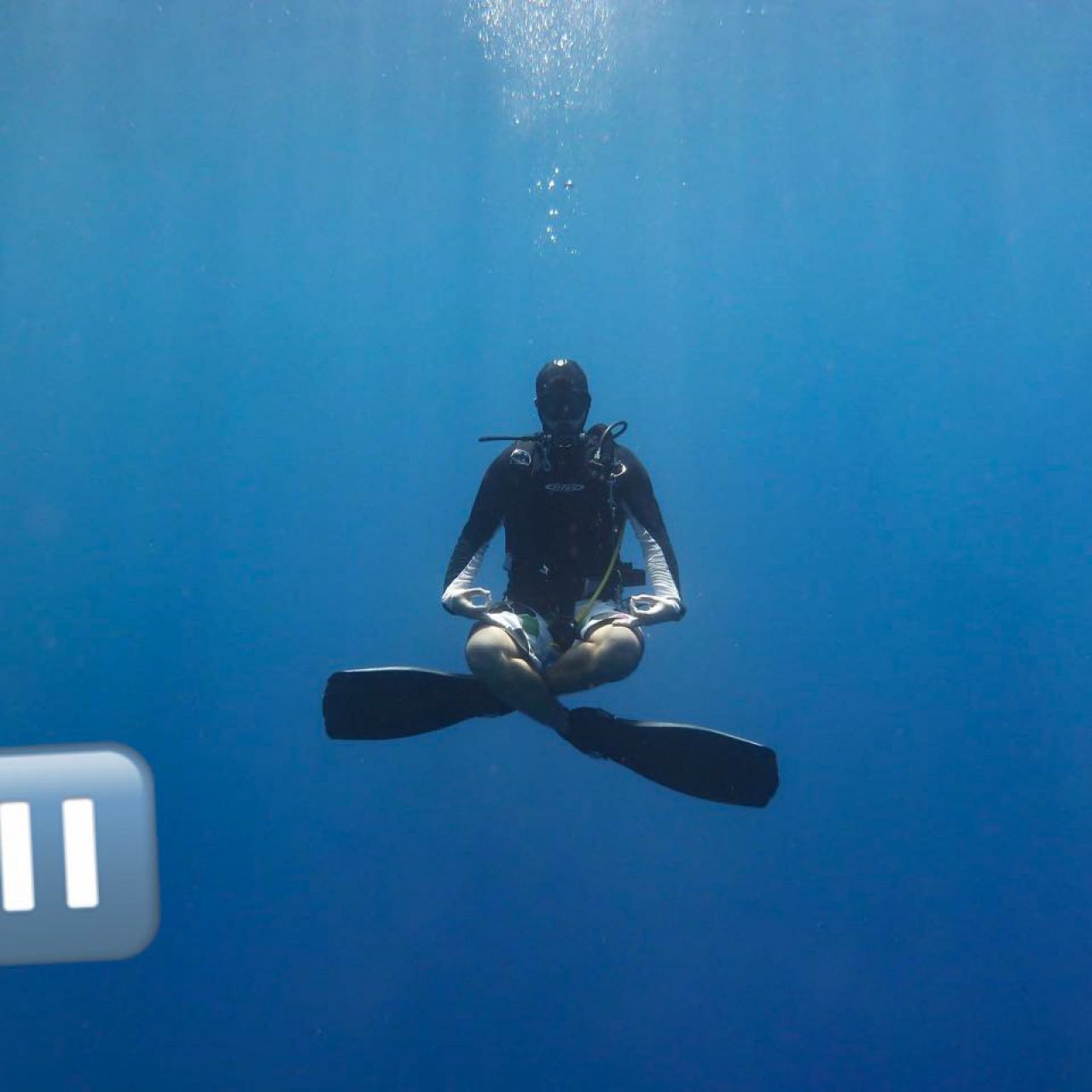
Master buoyancy for safer, longer and more enjoyable dives
By ScubaDownUnder Team · Published 27 September 2025
Introduction
If there is one skill that separates beginner divers from seasoned explorers, it is buoyancy. Perfect buoyancy is the art of achieving complete control over your position in the water column. It allows you to float effortlessly, ascend or descend with precision, and glide silently above reefs without disturbing the environment below. It is not simply about looking smooth in the water. Perfect buoyancy directly affects safety, gas consumption, dive time, and your overall enjoyment underwater.
In this guide, we will explore what buoyancy is, why it matters, how to master it, and how perfect buoyancy transforms the way you dive.
Understanding Buoyancy
At its simplest, buoyancy is the balance between the forces pushing you up and the forces pulling you down.
* Positive buoyancy, when you float towards the surface * Negative buoyancy, when you sink towards the bottom * Neutral buoyancy, when you are perfectly balanced, neither rising nor sinking
Neutral buoyancy is the diver’s goal. It allows you to hover weightlessly, conserve energy, and avoid disturbing marine life or silting the bottom.
The challenge is that buoyancy is dynamic. It changes constantly during a dive because of:
* Depth changes, air in your BCD and wetsuit compresses as you descend and expands as you ascend. * Tank weight, a full scuba cylinder is heavier than an empty one. * Breathing, your lungs act like a natural buoyancy control device. A deep breath makes you rise slightly, while exhaling makes you sink.
Why Perfect Buoyancy Matters
Perfect buoyancy is not just about style. It has real consequences for your dive.
* Safety: Poor buoyancy control is one of the main contributors to rapid ascents, which increase the risk of decompression sickness and lung overexpansion injuries. * Environmental protection: Good buoyancy prevents divers from crashing into corals, stirring up sand, or damaging fragile marine habitats. * Air consumption: When you are neutrally buoyant, you exert less energy and therefore breathe more efficiently. This leads to longer dives. * Enjoyment: Perfect buoyancy creates a sense of weightless freedom. You can hover at a cleaning station watching manta rays, or drift calmly alongside a turtle, without constant finning or adjusting.
The Core Skills for Perfect Buoyancy
1. Correct weighting
Carrying too much weight forces you to overcompensate with air in your BCD. This creates a yo-yo effect where you constantly rise and fall. Too little weight, and you may struggle to descend at the start of a dive.
How to check:
* At the surface, with an empty BCD and a normal breath held in, you should float at eye level. When you exhale, you should begin to sink.
Performing a proper weight check at the beginning of your trip is essential.
2. Trim and body position
Even with neutral buoyancy, poor body position can make you unstable. Perfect buoyancy requires horizontal trim.
* Keep your body flat, arms tucked in, and fins raised slightly above your torso. * Imagine being like an aeroplane in the water, streamlined and stable. * Adjust weight distribution if needed, move tank bands, shift weights, or use trim pockets.
3. Breath control
Your lungs are the most precise tool for buoyancy control.
* Take slow, controlled breaths. * A deep inhalation lifts you slightly. * Exhaling gently allows you to sink. * Avoid rapid breathing, which makes buoyancy harder to manage and wastes gas.
With practice, you will use your BCD less and your breath more to fine-tune buoyancy.
4. BCD mastery
The BCD is for making coarse adjustments, not constant fiddling.
* Add small bursts of air when you descend too fast or feel heavy. * Vent small amounts as you ascend to avoid runaway buoyancy. * Anticipate depth changes, release air before you get too light during an ascent.
5. Stillness and movement
Perfect buoyancy is about control, not constant finning.
* Learn to hover in place without moving your fins. * Practise helicopter turns and back kicks to adjust position without stirring sediment. * Use slow, deliberate movements. The calmer you are, the easier it is to hold position.
Training for Perfect Buoyancy
Just as you train muscles at the gym, you must train your buoyancy skills.
Hovering drills
* Practise hovering motionless at different depths for 30 to 60 seconds. * Use only your breath to control ascent and descent. * Start in a pool or shallow sandy area, then progress to open water.
Fin pivot
* Lie face down on the bottom, lightly fin-tips touching. * Inhale and exhale slowly, using your lungs to lift and lower your body. * This builds awareness of how breathing affects buoyancy.
Weight belt shuffle
* Try moving weights around your belt or BCD to find a balanced trim. * Aim to maintain a flat, streamlined position without rolling or tipping.
Buoyancy games
* Challenge yourself to swim through hoops, hover upside down, or pick up small objects without touching the bottom. * These fun exercises improve control while keeping practice engaging.
Common Mistakes to Avoid
* Overweighting: Leads to too much air in the BCD and difficulty staying stable. * Constant inflating and deflating: Indicates poor breath control or incorrect weighting. * Rapid breathing: Makes buoyancy swing up and down while burning through air. * Kicking while hovering: Creates false buoyancy and stirs sediment. * Ignoring trim: A vertical or diagonal posture reduces efficiency and control.
The Benefits of Perfect Buoyancy
Once mastered, buoyancy transforms diving.
* You will glide like a marine creature rather than fight the water. * You can explore wrecks without knocking into structures. * Macro photographers can steady themselves close to tiny subjects without damage. * Drift dives become effortless, with your body streamlined like a leaf carried by the current. * Your dives last longer, feel calmer, and leave you less fatigued.
Conclusion
Perfect buoyancy is not a skill you learn once. It is a lifelong practice that evolves with experience, equipment changes, and environments. Every dive is a chance to refine your control, to get closer to that state of effortless stillness where the underwater world unfolds around you without resistance.
It is the closest a human can come to feeling like they belong in the ocean. When you master buoyancy, you do not fight the water. You become part of it.
Sources
* PADI: Mastering Buoyancy Control * SSI Perfect Buoyancy Speciality * Scuba Diving Magazine: Tips for Better Buoyancy