Tips
The Enchantment of Night Diving in Australia
Exploring the ocean after dark on Australia’s reefs and coasts
By ScubaDownUnder Team · Published 29 August 2025
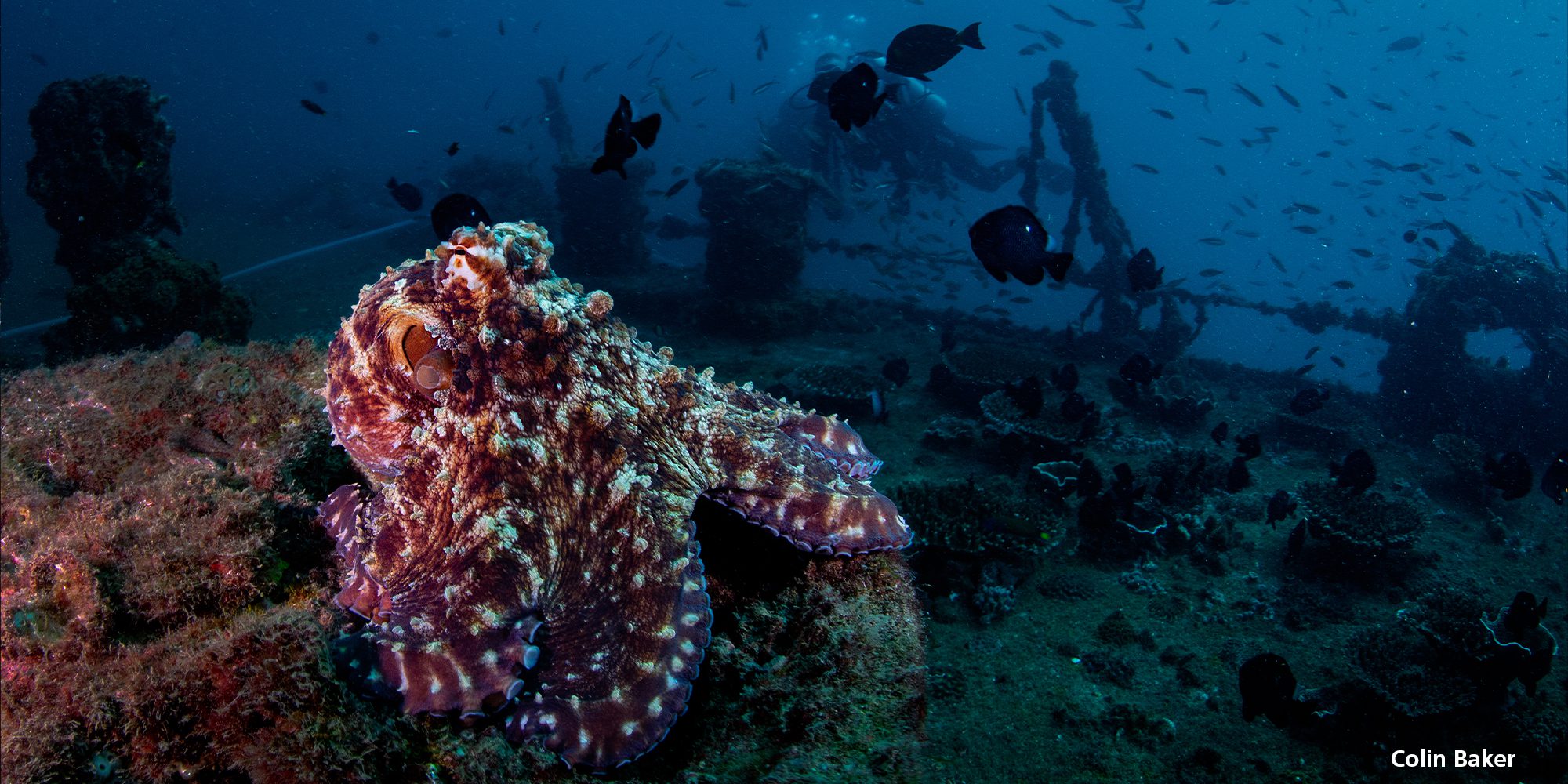
Night diving in Australia is an experience that blends mystery, beauty, and exhilaration. The country’s waters are home to some of the most diverse marine life on the planet, and once the sun sets, a new cast of characters emerges from the shadows. While a reef in daylight dazzles with colour, a night dive unveils an entirely different spectacle corals extend their polyps, octopuses hunt with precision, and bioluminescent plankton sparkle with every movement.
Australia’s vast coastline offers countless opportunities to dive after dark, from the Great Barrier Reef and Ningaloo to Sydney’s popular shore dives. Whether you’re drifting among outer reef bommies or exploring kelp forests, night diving here demands respect, preparation, and a steady hand. This article takes you through what makes Australian night diving special, the extra precautions you should take, and some tips to help you get the most from your underwater adventure.
Why Dive at Night in Australia?
Australia’s unique marine ecosystems are a natural theatre for nocturnal life. While snorkellers and divers flock to the reefs by day, seasoned adventurers know the real show begins after dusk.
* Great Barrier Reef, Queensland, coral polyps bloom under torchlight and reef sharks begin their nightly patrols. Green turtles rest in caves while giant trevally stalk the edges of the reef. * Ningaloo Reef, Western Australia, famous for whale sharks by day, but at night it offers encounters with hunting octopus, slipper lobsters, and schools of squid. * Southern waters, NSW and Tasmania, kelp forests and rocky reefs host Port Jackson sharks, wobbegongs, and cuttlefish. Sydney’s Bare Island and Kurnell are favourites for local divers keen to meet blue gropers, seahorses, and nudibranchs after dark.
In Australian waters, even well-known daytime sites feel brand new at night. The reef glows differently, animals behave unexpectedly, and there’s always a sense of quiet anticipation.
The Atmosphere Underwater
A night dive in Australia offers a heightened sense of intimacy. With the vast Pacific around you, your vision narrows to the beam of your torch. Suddenly, the tiny details come alive. You notice the eyeshine of a shrimp in the weeds, the shimmer of squid darting through the water, or the soft sway of kelp lit like velvet in your lamp.
Sounds seem sharper too. The crunch of a parrotfish biting coral, the gentle whoosh of a stingray gliding past, or the rhythm of your own bubbles echoing in the stillness. Many divers describe it as meditative, others as a thrilling test of confidence. In either case, it is unforgettable.
Extra Precautions for Australian Night Diving
Night diving anywhere requires planning, but Australian conditions add their own considerations:
* Marine life awareness, stonefish, lionfish, and blue ring octopuses are well camouflaged and more active at night. Always shine your torch before putting hands or knees on the bottom. * Currents and swell, Australia’s reefs and headlands can experience stronger surges after dusk. Choose sheltered sites, particularly for your first night dive. * Navigation, reef bommies and kelp forests look different in the dark. Using a compass and doing a site orientation in daylight is strongly advised. * Temperature changes, southern waters, especially Tasmania and Victoria, can cool rapidly at night. A hood and gloves can make all the difference. * Surface safety, boats and jet skis may not expect divers after dark. Always use a surface marker buoy with a glow stick or light attached.
Tips for Divers
To get the most from your night dive in Australia, keep these practical tips in mind:
1. Use two torches, a powerful primary torch and a smaller backup in case of failure. Many divers also attach a glow stick or flashing light to their tank valve. 2. Stay close to your buddy, maintain visual contact by keeping your torches in sight of each other. 3. Go slow, moving too quickly means missing the small details that make night dives special. Hovering patiently often brings out curious creatures. 4. Practice light discipline, avoid shining directly into animals’ eyes and dim your beam when possible to observe natural behaviour. 5. Check your buoyancy often, without a clear visual reference, it’s easy to drift upwards or downwards unnoticed. Rely on your dive computer. 6. Try lights out, once comfortable, cover your torch and gently wave your hand. In many Australian waters, bioluminescent plankton will ignite in glowing sparks around you. 7. Keep your exit clear, particularly on shore dives like Sydney’s Bare Island, scout your entry and exit points in daylight and note tide conditions.
Popular Australian Night Dive Spots
* Bare Island, Sydney NSW, one of Australia’s most famous night dives, known for seahorses, pipefish, and wobbegongs. * The Steps, Kurnell NSW, macro lovers’ paradise with nudibranchs, pygmy pipehorses, and giant cuttlefish. * Heron Island, Great Barrier Reef QLD, outer reef bommies buzzing with reef sharks and hunting trevally. * Exmouth, WA, Ningaloo Reef’s lagoons for octopuses, squid, and slipper lobsters. * Bicheno, TAS, kelp forests with weedy seadragons and crayfish.
Why It’s Worth It
Night diving in Australia is not simply diving with a torch. It is seeing the ocean transformed, alive with mystery and creatures that remain hidden by day. It’s an opportunity to connect with the reef in a slower, more thoughtful way. Even the most experienced diver finds something new when the lights go out.
For those ready to expand their skills, it adds an extra dimension to scuba diving, offering a richer appreciation of Australia’s incredible marine biodiversity. With the right preparation, respect for conditions, and an adventurous spirit, it can easily become one of the most memorable dives of your life.
Sources: - PADI Australia - Scuba Diving Magazine - Australian Geographic, Marine Life - Wikipedia