Marine Life
Are Puffer Fish Dangerous to Scuba Divers?
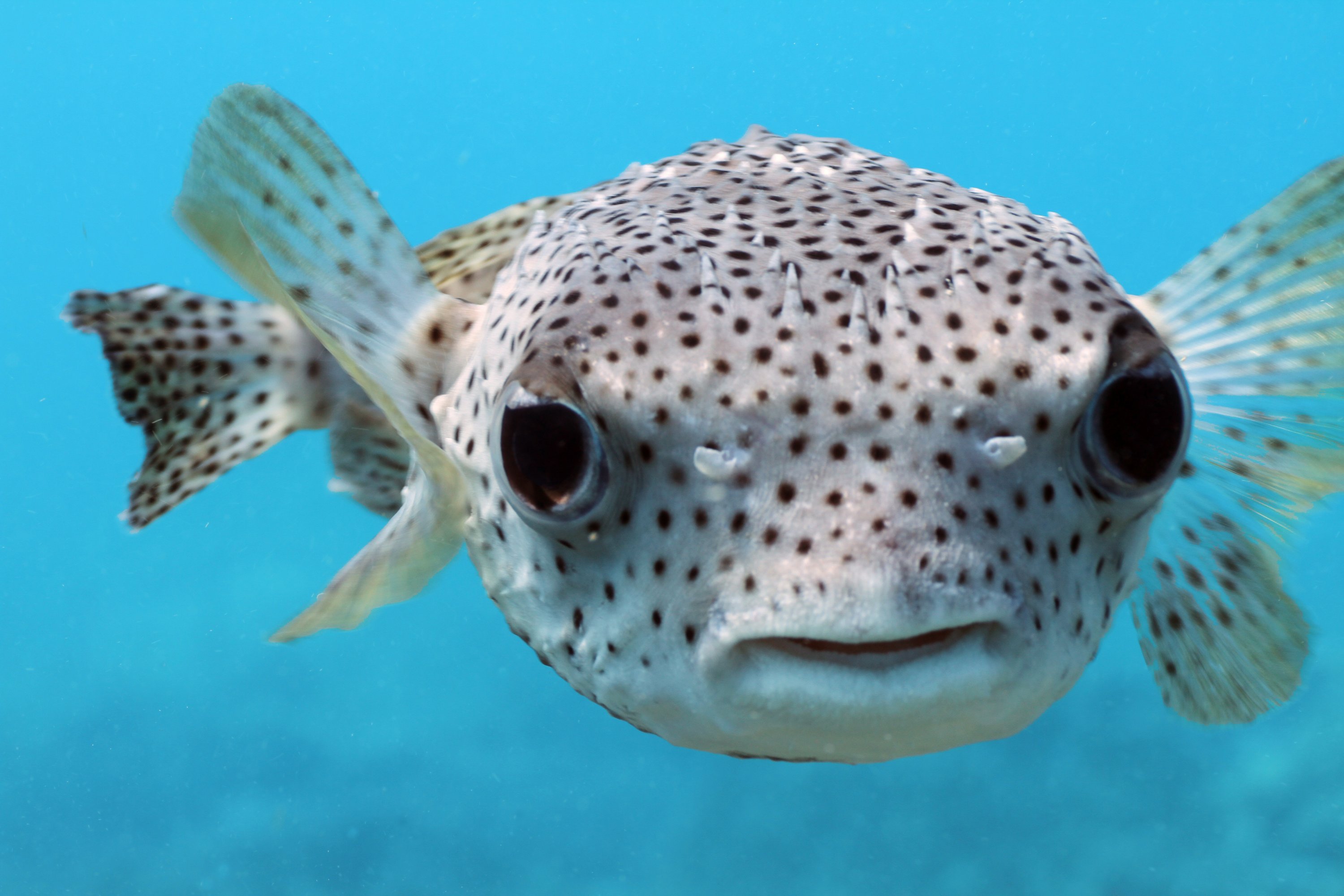
Australian dive guide to puffer fish: how they inflate, where you'll spot them, what makes them deadly to predators (and humans), and how they behave underwater.
By ScubaDownUnder Team · Published 4 September 2025
The Pufferfish
The puffer fish is one of the ocean’s most intriguing and misunderstood creatures. Known for its remarkable ability to balloon into a spiky sphere when threatened, it has fascinated divers, scientists and storytellers for centuries. We explore its biology, defence mechanisms, diet, habitat, cultural significance, conservation challenges and a collection of surprising facts that make this fish one of the ocean’s most memorable characters.
Inflating into Defence
The defining characteristic of the puffer fish is its unique defence mechanism. When under threat, it gulps water or air into a highly elastic stomach, inflating its body to several times its normal size. This sudden transformation makes it far more difficult for predators to swallow and often enough to dissuade an attack entirely.
Many species also have spines hidden beneath their skin, which protrude when inflated. For predators, attempting to swallow a puffer fish in this state can be an unpleasant and dangerous ordeal. It is a classic example of evolutionary ingenuity, combining intimidation and physical defence in one dramatic act.
The Lethal Secret: Tetrodotoxin
If inflation is not enough, the puffer fish possesses an even deadlier weapon. Most species contain tetrodotoxin, a neurotoxin over a thousand times more potent than cyanide. Found mainly in the liver, skin and reproductive organs, this toxin can paralyse and kill predators in tiny amounts.
For humans, this danger is particularly relevant in culinary cultures such as Japan, where fugu, a delicacy prepared from puffer fish, is eaten under tightly regulated conditions. Only highly trained chefs are permitted to prepare it, and even then accidents have occurred. The allure lies in the risk and the skill required to handle such a dangerous ingredient.
Where They Live
Puffer fish are widely distributed across warm and temperate seas. They inhabit coral reefs, lagoons, estuaries and even some freshwater rivers. Their adaptability allows them to thrive in environments where other fish struggle, but they are most commonly encountered in shallow coastal waters with ample hiding places.
For divers in Australia, encounters with species like the smooth toadfish or the blackspotted puffer are not uncommon along reef and seagrass habitats. Their slow, hovering swimming style makes them easy to observe, and their often-bright markings serve as a warning of their toxicity.
Diet and Feeding Behaviour
Despite their unassuming appearance, puffer fish are active hunters. They feed on a mix of algae, small invertebrates and shellfish. Their strong beak-like teeth, formed by fused dental plates, allow them to crush hard shells of molluscs and crustaceans with ease.
This specialised dentition grows continuously, which is essential since constant gnawing wears them down. The combination of careful foraging and powerful jaws makes the puffer fish surprisingly effective in its ecological niche.
A Slow but Purposeful Swimmer
Puffer fish are not built for speed. With small fins and a rounded body, they lack the streamlined shape of swift predators like tuna. Instead, they rely on manoeuvrability and the element of surprise. They swim with a gentle, almost hovering motion, appearing relaxed yet always ready to inflate at the slightest sign of danger.
This leisurely style makes them a favourite among divers and photographers, who often find them unbothered by close approaches. Their large, expressive eyes only add to their appeal, giving them a curious, almost cartoon-like presence underwater.
Life Cycle and Reproduction
Puffer fish reproduction varies across species, but many lay eggs in shallow waters where males often guard the nest. Some species, like the white-spotted puffer, are known for extraordinary courtship displays. Males create intricate circular patterns in the sand using only their fins, a behaviour compared to undersea artwork. These patterns attract females to lay eggs, showcasing both the beauty and ingenuity of the species.
Symbolism and Cultural Significance
In many cultures, puffer fish have come to symbolise both danger and resilience. In Japanese folklore, they represent both risk and reward, embodied in the preparation of fugu. In art and literature, their strange shape and dramatic transformation often symbolise hidden strength or the idea of outward appearances concealing deeper truths.
For divers, the sight of a puffer fish in its natural habitat is often one of delight. It serves as a reminder of the ocean’s quirky and unpredictable inhabitants.
10 Fascinating Facts About Puffer Fish
1. Not all puffer fish are poisonous, while most carry tetrodotoxin, some freshwater species are non-toxic and harmless to humans. 2. They are related to triggerfish and filefish, all belong to the order Tetraodontiformes, known for their unusual body shapes and defensive strategies. 3. They have excellent eyesight, large, independently moving eyes allow them to scan for predators and prey with remarkable awareness. 4. Some puffer fish can change colour, similar to cuttlefish, they adjust shades to blend with surroundings or signal moods. 5. They can survive in brackish and freshwater, species like the Amazon puffer thrive far from the sea. 6. Inflating is stressful for them, while it deters predators, it takes time and energy to return to normal, leaving them vulnerable if threatened again. 7. Their toxin is produced by bacteria, tetrodotoxin is not created by the fish itself but by symbiotic bacteria ingested through their diet. 8. They are long-lived for small fish, many can live more than ten years in the wild and even longer in aquariums. 9. Some make underwater art, males of certain species create sand mandalas up to two metres wide to attract mates. 10. They are popular in aquariums, but keeping them is difficult due to their diet, teeth growth and, in some cases, their toxins.
Conservation Status
While many species of puffer fish are common, some face pressure from habitat destruction, pollution and overfishing. The demand for aquarium trade and culinary use also affects populations in certain regions. Protecting coral reefs and coastal ecosystems remains essential for the long-term survival of these fascinating fish.
Final Thoughts
The puffer fish is an extraordinary creature that demonstrates the ocean’s capacity for evolutionary marvels. Its ability to inflate, its potent toxicity and its curious presence make it one of the most remarkable fish to encounter underwater. Add to that its artistic mating rituals, surprising intelligence and hidden evolutionary secrets, and you have a fish that continues to capture human imagination as much as it baffles predators.
Sources
* Wikipedia - Tetradontidae * National Geographic, Pufferfish Facts * Smithsonian Ocean, Pufferfish