Learn to Dive
Wetsuit Thickness for Australian Waters
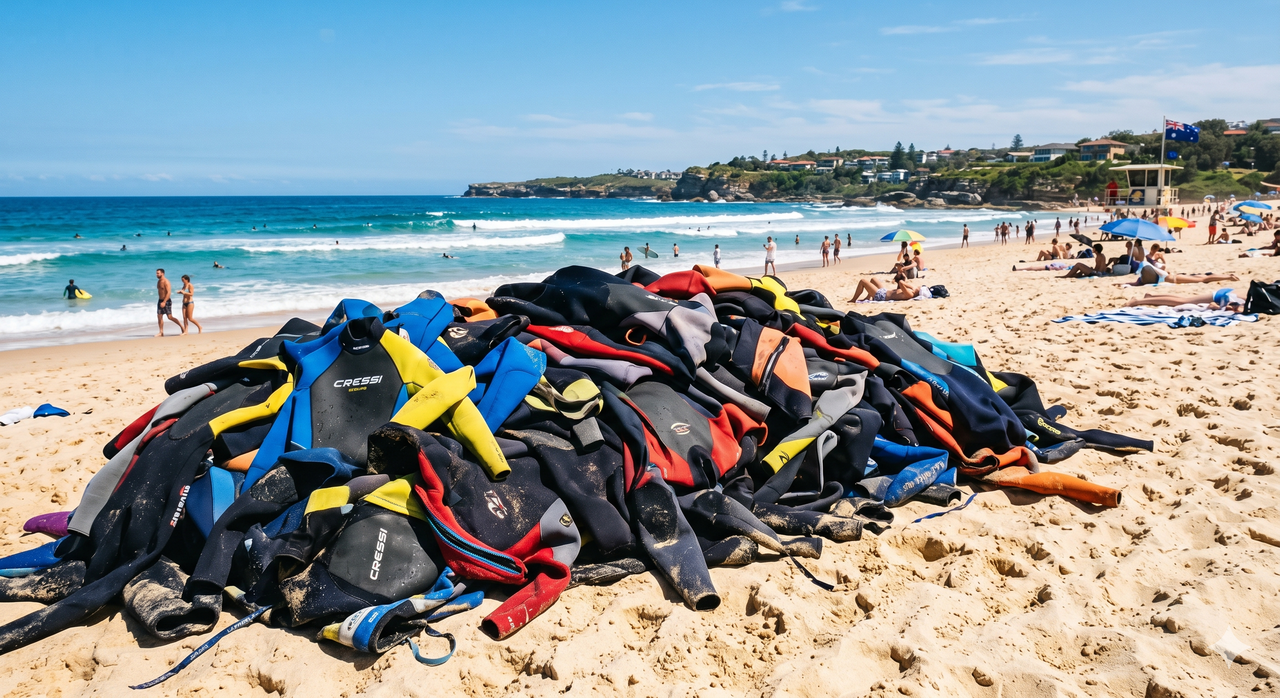
A state-by-state guide to wetsuit thickness in Australia: when 3mm, 5mm or 7mm makes sense, winter water temperatures, hoods, gloves and semi-dry suits.
By ScubaDownUnder Team · Published 12 June 2026
Wetsuit Thickness for Australian Waters
It is June, the water is cooling fast everywhere south of the tropics, and dive shop staff around the country are fielding the same question: do I need a 3mm, a 5mm or a 7mm? Australia makes this genuinely tricky. We dive everything from 29°C coral gardens off Far North Queensland to 11°C kelp forests in Tasmania, sometimes in the same year, and no single wetsuit covers that spread.
This guide gives you the answer by state and season, the water temperatures behind it, and the point where a wetsuit stops being enough. If you are still working out your wider gear priorities, our guide to what scuba gear to buy first explains where the wetsuit fits in the buying order.
How Thickness Translates to Warmth
Neoprene insulates because it is full of tiny gas bubbles. Thicker neoprene means more insulation, but also less flexibility, more buoyancy (and therefore more lead on your belt), and a higher price. The standard recreational thicknesses are 3mm, 5mm and 7mm, and you will also see split ratings like 5/3mm, where the torso panel is thicker than the arms and legs.
Two things matter as much as the number. First, fit: a wetsuit works by trapping a thin layer of water against your skin and holding it still, so a loose suit that flushes cold water through with every kick is barely warmer than no suit at all. Second, accessories: a hood and gloves can lift a suit a full thickness class in feel. Our complete wetsuit buying guide covers construction, seams and fit in depth.
The Quick Answer by Region
- Tropical Queensland and the Top End (water 24-29°C): 3mm year-round for most divers, 5mm for the cold-sensitive in winter - Southern Queensland and northern NSW: 3mm in summer, 5mm through winter - Sydney and the NSW coast (17-23°C): 5mm most of the year, add a hooded vest or step to 7mm in late winter - Southern Western Australia: similar to Sydney, 5mm as the workhorse with winter layering - Victoria and South Australia (12-20°C): 7mm or a semi-dry in winter, 5mm only in the warmest months for hardy divers - Tasmania (11-18°C): 7mm semi-dry as the year-round baseline, with many locals in drysuits for winter
Queensland and the Tropics
Northern Queensland is the easy case. With water between 24°C and 29°C, a 3mm suit covers the Great Barrier Reef year-round for most people, and plenty of divers wear less in summer. Two caveats. First, repetitive diving chills you cumulatively: four dives a day on a liveaboard in 25°C water will have you reaching for more neoprene by day three, which is why cold-sensitive divers pack a 5mm for winter trips. Second, tropical summer (roughly November to May) is stinger season, so a full-length suit or lycra stinger suit is about protection as much as warmth.
New South Wales and Southern WA
Sydney water runs from about 17°C in late winter to 23°C at the end of summer, and southern WA follows a similar curve. The 5mm wetsuit is the workhorse here: comfortable from roughly Christmas to June for most divers, and stretchable into winter with a hooded vest underneath. By August, when the water bottoms out, many regulars move to a 7mm or simply accept shorter dives.
If you dive NSW year-round and want one suit, buy the 5mm and a hooded vest, and put the leftover money toward dives. Our best wetsuits for Australian waters roundup includes strong 5mm options at every price.
Victoria, South Australia and Tasmania
The southern states are a different sport. Melbourne and Adelaide water sits between 12°C and 20°C across the year, and right now, in June, Port Phillip Bay and the South Australian gulfs are heading for the low teens. Tasmania runs 11°C to 18°C. This is proper cold-water diving, and it is also some of the best diving in the country: leafy seadragons under Rapid Bay Jetty, the giant kelp at Eaglehawk Neck, spider crab aggregations in the bay.
The winter answer here is 7mm minimum, and ideally a semi-dry. A hood and gloves are not optional extras in a southern winter; they are the difference between a 50 minute dive and a miserable 25 minute one. Hardy locals drop to a 5mm in February and March, but if you are buying one suit for Victoria, SA or Tasmania, buy warm. Cave and sinkhole divers should note that the Mount Gambier sinkholes sit in the mid-teens year-round, so the same logic applies in January as in July.
Hoods, Gloves and Boots
In water below about 18°C, a hood is the single best comfort upgrade per dollar in diving. An uncovered head sheds heat constantly and, unlike your torso, has no neoprene doing anything about it. A 3mm or 5mm hood costs $40 to $90 and effectively upgrades your whole suit.
Gloves follow the same logic: 3mm for NSW winters, 5mm for the southern states. They also protect your hands on jetty pylons and rocky entries. One note for tropical trips: some Queensland operators discourage or ban gloves on coral sites to protect the reef, so check before you pack. Boots in 5mm with solid soles round out the southern kit.
Remember that every piece of neoprene adds buoyancy. Moving from a 3mm to a 7mm with hood and gloves can add several kilograms to your required lead, so redo your buoyancy check whenever your suit changes. Our beginner's guide to diving weights explains how.
Semi-Dry vs Drysuit: The Threshold
A semi-dry is a 7mm wetsuit with serious sealing: smooth seals at the wrists, ankles and neck, a dry zip, and taped seams. It still lets water in, but so little that the trapped layer stays warm. For most divers a good semi-dry is comfortable down to about 12-13°C for normal recreational dive times, which covers a Victorian or South Australian winter, just.
The drysuit conversation starts when you regularly dive below about 14°C and want to stay down longer than 40-odd minutes, or when you dive cold water year-round. Tasmania in winter, repetitive deep days in Port Phillip, and serious Mount Gambier diving all push divers dry. The catch is cost and complexity: a drysuit starts around $2,000, needs its own training to manage the air inside it, and adds maintenance. Our honest advice for new southern divers: do a winter season in a hired or owned semi-dry first. You will know quickly whether you are a fair-weather diver or the kind who wants January in Tasmania, and that answer decides the drysuit question for you.
Buying in Winter: Match the Suit to Your Real Diving
Buying in June sharpens the decision nicely. Be honest about where you will actually dive in the next three months, not the tropical trip you might take next year. If you are in Melbourne or Adelaide and want to dive now, the answer is a 7mm or semi-dry, or hiring one until summer. If you are in Sydney, a 5mm plus hooded vest gets you through. And if your winter diving is a Cairns holiday, do not buy a thick suit for it; hire a 3mm up north and spend your money where you live. For planning around the seasons, see our guide to the best time of year to dive in Australia.
When you are ready to compare actual suits, our gear reviews cover options across the range, from budget two-piece 5mm suits like the SEAC Royal to cold-water 7mm suits like the Cressi Fast.
Fit, Seams and the Details That Matter
Whatever thickness you land on, fit decides whether it works. A correct wetsuit is snug everywhere with no air pockets at the lower back, armpits or crotch, lets you raise your arms without crushing your chest, and feels slightly too tight in the shop (neoprene relaxes in water). Try suits on in person for your first purchase, and note that women's-cut suits are worth seeking out rather than sizing down a unisex suit.
Seams tell you what water the suit was built for: flatlock stitching breathes and suits the tropics, while glued and blind-stitched seams, ideally taped, are what you want below 18°C. A chest-zip or back-zip is largely personal preference; what matters more is a decent seal at the neck.
FAQ
Can one wetsuit cover all of Australia?
Not well. The closest compromise is a 5mm, which is comfortable in Sydney for most of the year, tolerable up north (you will be warm) and inadequate in a southern winter (you will be cold). If your diving genuinely spans the country, a 3mm plus a 7mm semi-dry is the two-suit combination that actually works.
How much more lead will I need with a 7mm?
Expect to add several kilograms compared with a 3mm, because thicker neoprene is significantly more buoyant, and add a little more again for a hood and gloves. Do a proper buoyancy check at the surface rather than guessing: float at eye level with an empty BCD and a normal breath, holding a near-empty tank in mind for the end of the dive.
At what temperature do I need a drysuit?
There is no hard line, but a useful rule of thumb: if most of your diving is below 14°C, or you regularly cut dives short because you are cold rather than low on air, you are a drysuit candidate. Remember drysuits need specific training before you dive one independently.
What about shorties and stinger suits?
A shorty (2-3mm, short arms and legs) is a snorkelling and warm-pool garment more than a scuba tool; most divers outgrow it immediately. A lycra stinger suit provides no warmth at all but is genuine protection during tropical jellyfish season, and many Queensland operators provide them from November to May. Neither replaces a proper wetsuit for Australian scuba.