Marine Life
Whale Sharks in Australia: Where, When, and How to Swim with Them
By ScubaDownUnder Team · Published 21 May 2026
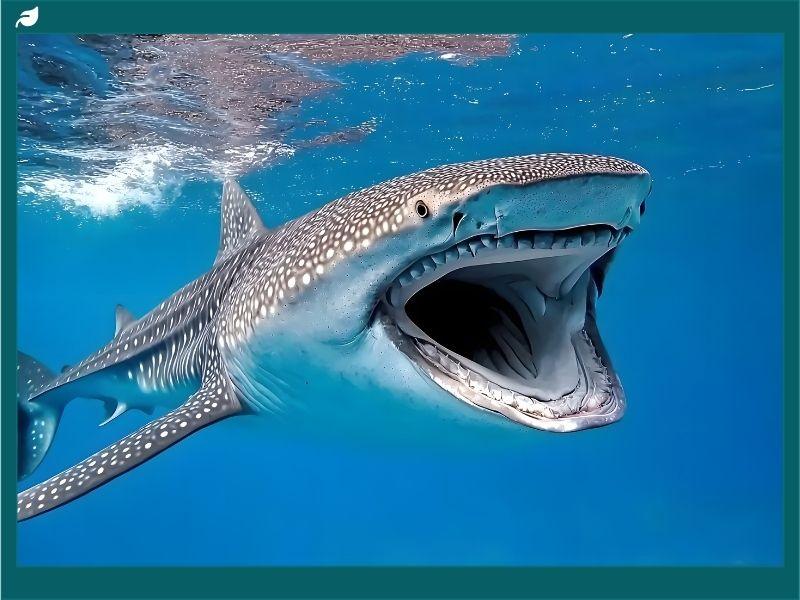
The whale shark (*Rhincodon typus*) is the largest fish in the ocean, with documented individuals reaching 18 metres in length, and Australia is one of the three most reliable destinations on the planet for in-water encounters with them. The headline location is [Ningaloo Reef](https://www.scubadownunder.com/dive-sites/ningaloo-reef) in Western Australia, which produces a near-guaranteed annual aggregation between March and August and operates the most well-regulated whale shark interaction industry in the world. Christmas Island, Australia's remote Indian Ocean territory, supports a smaller seasonal aggregation. East-coast sightings are occasional and unpredictable. For divers who want to swim with the largest fish on earth, an Australian trip is the most reliable single-country option available.
## Why whale sharks come to Ningaloo
Ningaloo Reef is a 260-kilometre fringing reef along the Western Australian coast at the North West Cape, accessible from the shore in many places. Each year between March and July, a coral spawning event triggers a chain of plankton blooms that draw whale sharks into the warm waters off the reef edge. The sharks aggregate to feed on dense zooplankton in the surface layers, and the predictability of the event has made Ningaloo the world's most reliable whale shark destination. Research conducted at Ningaloo since the 1990s has produced photo-identification catalogues of hundreds of individual sharks, with regular returnees identified across multiple seasons.
The Yamatji and Yinggarda peoples are the traditional custodians of the Ningaloo coast, and the marine park covers both Indigenous heritage and ecological values. The whale shark interaction industry is regulated under a strict permit system with limits on operator numbers, in-water swimmer ratios, minimum approach distances and observation behaviour.
## Ningaloo logistics
Whale shark trips run from Exmouth and [Coral Bay](https://www.scubadownunder.com/dive-sites/coral-bay), the two operator hubs at either end of the reef. Exmouth is the larger town and the standard departure point, reached by 2-hour direct flights from Perth. Coral Bay is smaller, more intimate, and the preferred base for divers who want to combine whale sharks with reef diving without the larger Exmouth scene.
Trips are full-day and follow a consistent pattern: spotter aircraft locate sharks in the morning, the boat positions ahead of the moving shark, and swimmers enter the water in groups of ten. Each group has a 30-second to 2-minute window with the shark before the next group enters. Swimmers must remain at least 3 metres from the head of the shark and 4 metres from the tail; touching, blocking the path, or pursuing the shark is prohibited.
A note that surprises divers: **whale shark interactions at Ningaloo are snorkel only, not scuba**. The sharks travel at the surface to feed, and the regulations and tour structure both work around snorkel encounters. Divers travelling for Ningaloo's whale sharks should plan around this and pair the trip with dedicated dive days for the rest of the reef.
## Ningaloo's other diving alongside whale shark season
The whale shark season overlaps with manta ray season (April through August at peak), and both species are commonly encountered on the same multi-day trip. The Navy Pier at Exmouth, separately one of the most diverse single dive sites in Australia, runs through the season. Coral spawning on the Ningaloo reef happens in March, drawing both researchers and divers. Reef diving on Ningaloo's outer wall and at sites like the Bommies, the [Lighthouse Bay](https://www.scubadownunder.com/dive-sites/lighthouse-bay) sites, and Lakeside is consistent throughout the season.
For divers who want a single multi-experience trip in Western Australia, mid-April to mid-July is the working window: whale sharks reliably present, mantas building, water temperatures comfortable (22 to 26°C), and conditions calm enough that most days are dive-able.
## Christmas Island
Christmas Island, Australia's remote Indian Ocean territory 1,500 kilometres north west of Perth, supports a smaller and more seasonal whale shark aggregation. Sightings peak from November through April, coinciding with the famous red crab migration, and trips run from the island's small dive operator network. Christmas Island whale shark interactions are on a much smaller scale than Ningaloo and require more advance planning, longer travel commitment and an island-stay component. The diving more broadly is excellent: drop-off walls, deep blue water, and one of the most isolated reef ecosystems in Australian waters.
## East-coast sightings
Whale sharks pass occasionally along the east coast of Australia and are recorded most frequently between Cairns and the southern Great Barrier Reef during the autumn months. Sightings are unpredictable and not the basis for a planned trip. Operators in Cairns, Mooloolaba and along the GBR coast occasionally report whale shark encounters during routine dive trips, but east-coast diving should not be planned around the species the way Ningaloo can be.
## Conservation status and ethics
The whale shark is listed as Endangered on the IUCN Red List, with population declines documented across most of its global range due to fishing pressure (including bycatch), boat strikes, and habitat degradation. The Ningaloo population is monitored continuously by researchers from the Australian Institute of Marine Science (AIMS) and the Marine Mammal Foundation, and the strict regulation of the interaction industry has made Ningaloo one of the few places where whale shark tourism appears to be benefiting rather than harming the population.
Swim ethics matter: maintaining required distances, never touching the shark, never blocking the swimming path, and never riding (a long-running social-media trend that the regulations specifically prohibit and that has measurable negative effects on shark behaviour). Operators run pre-trip briefings covering all of this and enforce the rules in the water.
## Trip planning notes
For divers planning a first whale shark encounter in Australia, Ningaloo is the strongest recommendation: most reliable, best regulated, most accessible, and pairs naturally with mantas, reef diving and the Navy Pier. Book operators in advance for the peak season (April through July). Allow at least 4 to 5 days in the region to accommodate a whale shark day, manta day, Navy Pier day, and reef dives, with weather buffer days built in.
For divers who have already done Ningaloo and want a different Australian whale shark experience, Christmas Island is the answer. Plan a longer trip, accept the higher travel commitment, and combine with the island's broader reef diving for a destination experience that few divers complete.
The whale shark is one of those species where Australia genuinely holds the world's best access. Plan around the season, respect the regulations, and the encounter rewards the planning every time.