Dive Sites Near Coffs Harbour
7 dive sites in and around Coffs Harbour, NSW, nearest first, with the depth, skill level and conditions for each one.

Muttonbird Island
Coffs Harbour, NSW
Shore dive off the northern side of Muttonbird Island: sand with large rocky sections and small reefs to 12 m, entered by climbing down the rocks at the end of the northern breakwall.
View dive site →
Split Solitary Island
Coffs Harbour, NSW
Twenty minutes by boat from Coffs Harbour, a rocky island that looks as though it has been cleaved in two rises from the Solitary Islands Marine Park. Split...
View dive site →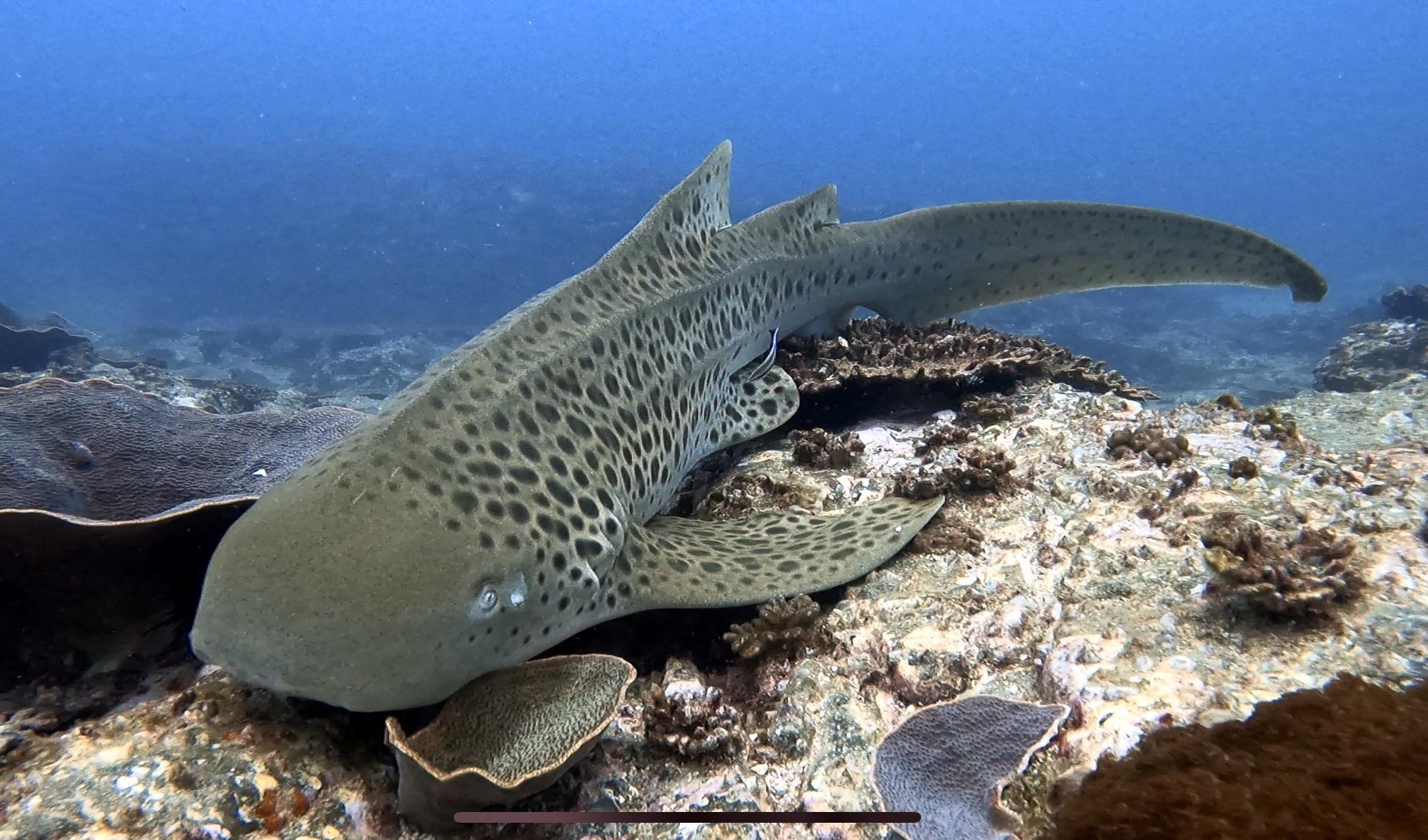
Buchanan's Wall - South Solitary
Coffs Harbour, NSW
Buchanan’s Wall at South Solitary Island is a dazzling granite drop-off alive with soft coral, grey nurse sharks, turtles and macro life a true showcase of NSW’s underwater biodiversity and beauty.
View dive site →
North West Solitary Island
Arrawarra, NSW
Inshore island off Arrawarra and Mullaway with easy coral-garden dives on its western side, a manta ray cleaning station from January to June, and the deeper Wrights Reef pinnacle.
View dive site →
North Solitary - Elbow Cave
Wooli, NSW
Short L-shaped passage (about 2 to 4 m) through the rocks, packed with fish and rock lobsters, leading out to underwater cliffs.
View dive site →
North Solitary - Bubble Cave
Wooli, NSW
Dark cave on North Solitary's southern side, reached along coral-covered rock fingers, in about 8 m, with divers' trapped air under the roof.
View dive site →
North Solitary Island - Anemone Bay
Wooli, NSW
Sixteen kilometres off the Wooli coastline, on the northern face of a small island that breaks the open Pacific, a single sheltered bay holds what marine biologists have documented as the highest...
View dive site →Planning a dive? Check today's visibility forecast, or browse every dive site in Australia.