Diving Blog
Stay up to date with the latest diving tips, industry news, conservation efforts, and insights from the Australian diving community.
Latest Article
Our newest diving content
Port Willunga, Fleurieu Peninsula
The cliffs at Port Willunga glow gold in the afternoon light, and below them, in shallow clear water, lie the bones of two pieces of history. A row of...
Read Full Article →Filter articles by topic to find exactly what you're looking for
More Articles
Stay informed with diving tips, safety guides, and destination reviews

Green Island, South West Rocks
By ScubaDownUnder Team
South West Rocks is famous for Fish Rock, the through-cave swim that draws divers from around the world. But just along the coast lies its quieter, gentler...
Ile des Phoques, Freycinet
By ScubaDownUnder Team
Off the Freycinet coast, a rugged granite island rises from the cold Tasman Sea, and the moment you drop in, the seals find you. Ile des Phoques, the Island...

Roe Reef, Rottnest Island
By ScubaDownUnder Team
Two miles off the north-east tip of Rottnest Island, a maze of limestone rises toward the surface, riddled with caves, windows and swim-throughs. Roe Reef...
Trevally: Australia's Schooling Predators
By ScubaDownUnder
The most-recorded fish across our dive sites. Bigeye, giant, silver and golden trevally, how they hunt, and where to find the big aggregations in Australian water.
Rye Pier, Mornington Peninsula
By ScubaDownUnder Team
If you want to photograph a seahorse on your first dive, go to Rye. The pier here, reaching out into the shallow north end of Port Phillip Bay, is one of...

Wedding Cake Island, Coogee
By ScubaDownUnder Team
A kilometre off Coogee Beach, a low slab of rock sits awash in the swell, named for its tiered, icing-white resemblance to a wedding cake. Above the water...
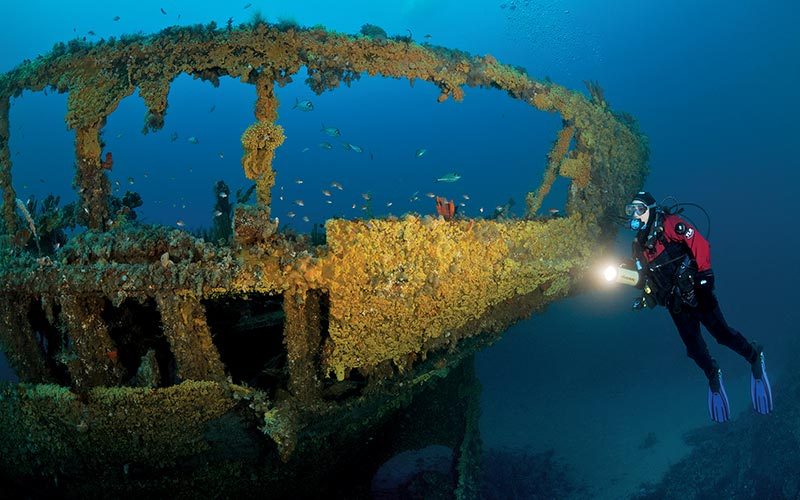
Fortescue Bay & the SS Nord, Tasman Peninsula
By ScubaDownUnder Team
Beneath the highest sea cliffs in the southern hemisphere, the Tasman Peninsula keeps some of Tasmania's finest cold-water diving. Fortescue Bay is the...
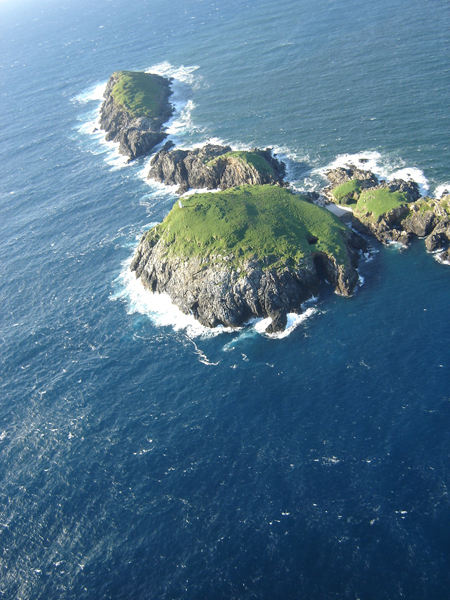
Split Solitary Island, Coffs Harbour
By ScubaDownUnder Team
Twenty minutes by boat from Coffs Harbour, a rocky island that looks as though it has been cleaved in two rises from the Solitary Islands Marine Park. Split...
Nine Mile Reef, Tweed Heads
By ScubaDownUnder Team
Nine nautical miles off Tweed Heads, where New South Wales meets the Gold Coast, a reef rises from the deep that on its day ranks among the best dives in...

Leatherjackets: Australian Divers' ID Guide
By ScubaDownUnder
The locking dorsal spine, the sandpaper skin and the fin-rippling hover. Australia has one of the richest leatherjacket faunas on earth, and the southern jetties are the place to see it.

Sea Lions and Fur Seals in Australia
By ScubaDownUnder
The best animal encounter in Australian water, with an endangered endemic at the centre of it. Australian sea lions, fur seals, where to dive with them and how to do it well.
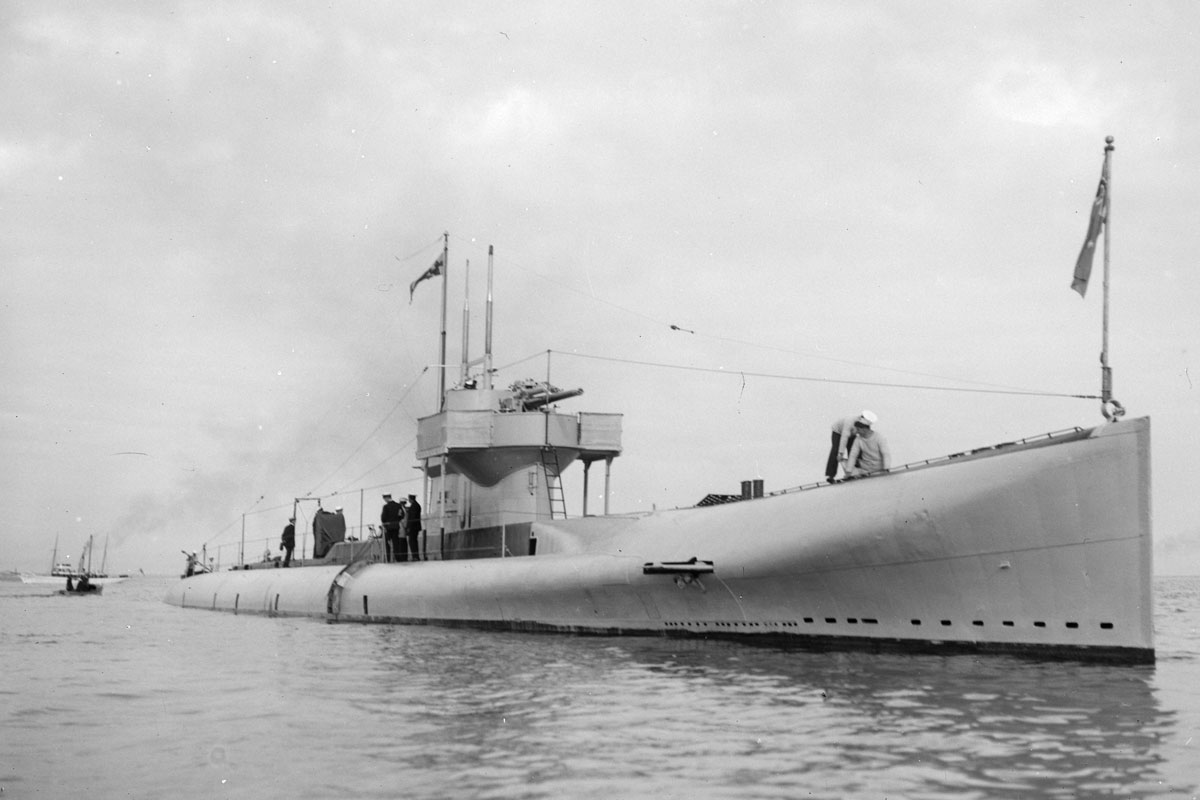
HMAS J-Class Submarines, Bass Strait
By ScubaDownUnder Team
Out in Bass Strait, beyond the entrance to Port Phillip, lies a graveyard of submarines. Several of the Royal Australian Navy's J-class boats, built for the...
Tinderbox Marine Reserve, Hobart
By ScubaDownUnder Team
Half an hour south of Hobart, a small beach at Tinderbox hides one of Tasmania's most accessible underwater experiences. Just offshore, a sandstone reef...
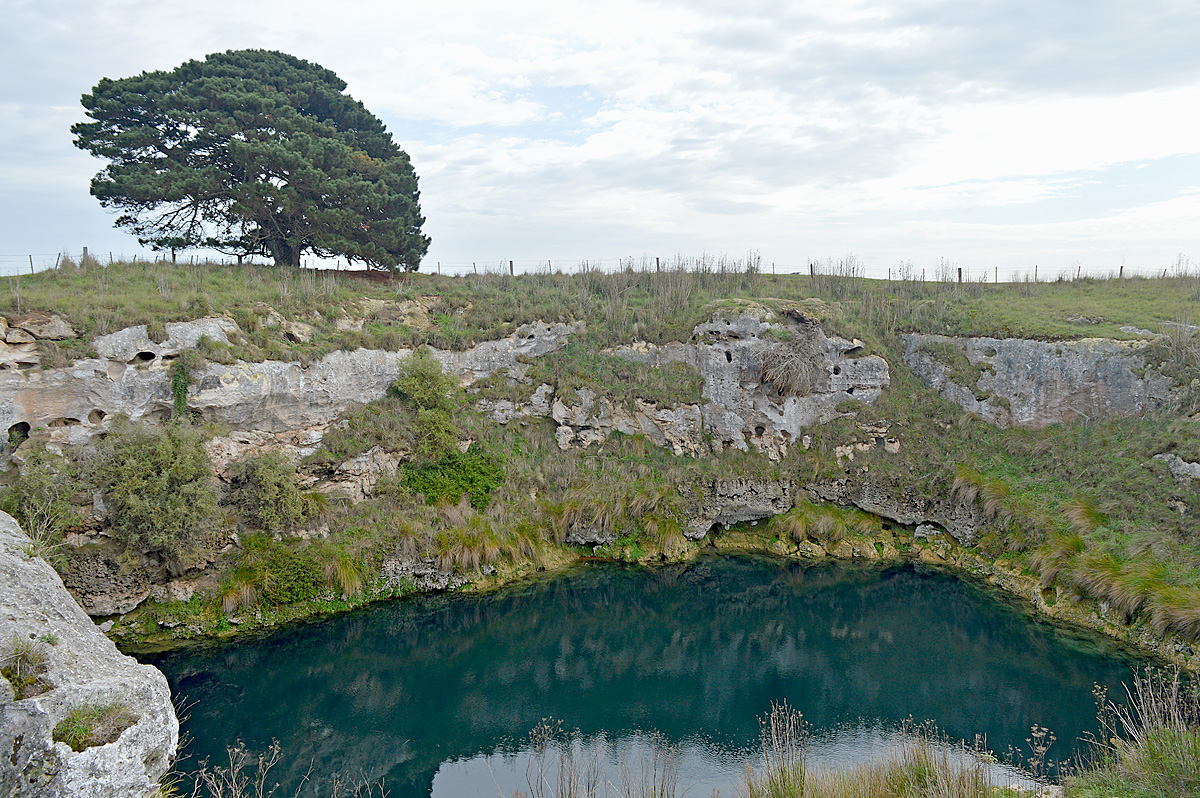
One Tree Sinkhole, Mount Gambier
By ScubaDownUnder Team
In the limestone country around Mount Gambier, the ground is full of water. Rain that fell on the Limestone Coast filters down through the rock and gathers...

Fly Point & Halifax Park, Port Stephens
By ScubaDownUnder Team
Walk down the steps at Fly Point, swim a couple of hundred metres north, and you drop into one of the richest patches of marine life on the entire New South...
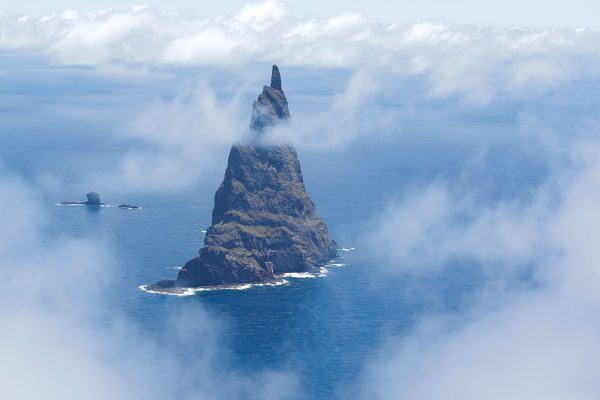
Lord Howe Island & Ball's Pyramid
By ScubaDownUnder Team
Seven hundred kilometres off the New South Wales coast, a crescent of green volcanic peaks rises from deep blue water, ringed by the southernmost coral reef...
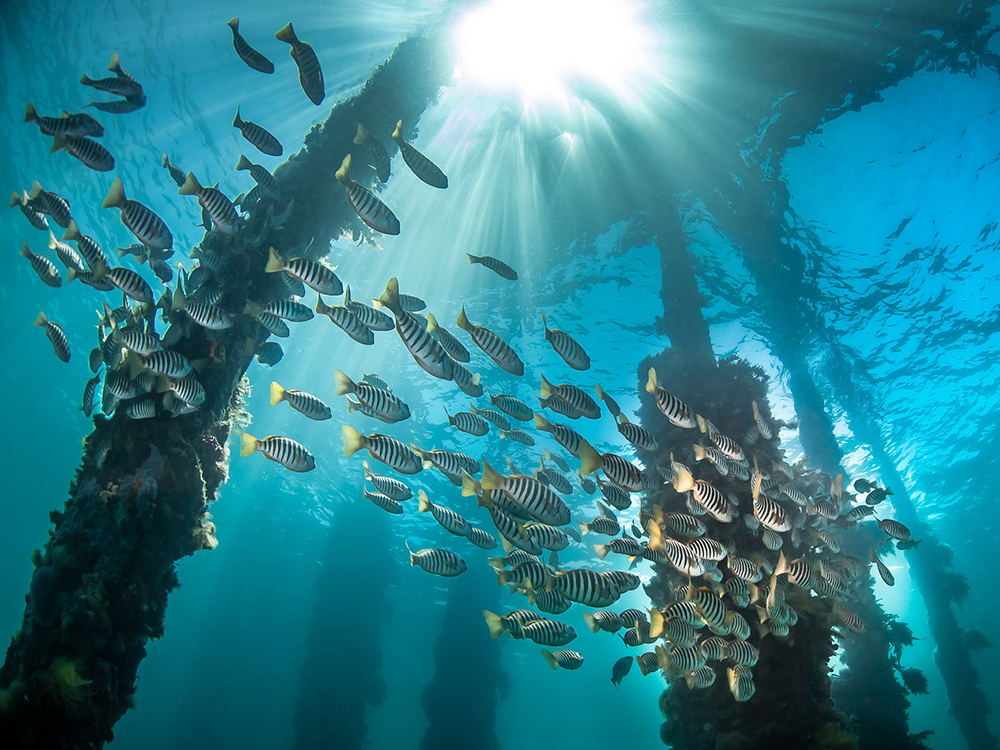
Port Noarlunga Reef, Adelaide
By ScubaDownUnder Team
Walk out along the Port Noarlunga jetty, climb down the stairs at the end, and you are standing on the edge of South Australia's most popular dive. A long...

Governor Island Marine Reserve, Bicheno
By ScubaDownUnder Team
Tasmania's east coast keeps its best diving in cold, clear water, and nowhere more so than off Bicheno. A few minutes by boat from the town, the granite...
Ex-HMAS Canberra Wreck, Ocean Grove
By ScubaDownUnder Team
The mooring line drops away into green water, and for the first ten metres there is nothing to see but particles drifting in the gloom. Then a shape...