Bateman Bay
Exmouth, WA
Bateman Bay: Ningaloo Manta Cleaning
By ScubaDownUnder Team · 2026-06-01
# Bateman Bay Dive Site Guide
The mantas hold position over the cleaning station like aircraft on approach. Two are stationary above the bommie at twelve metres, presenting their pale undersides to a busy swarm of cleaner wrasse, while a third circles in slow horizontal loops waiting its turn. A diver who descends quietly to the sand and stays still will be ignored entirely. Bateman Bay, on the protected eastern side of the North West Cape inside Ningaloo Marine Park, is the most reliable reef manta cleaning station on the Ningaloo coast and one of the most consistent year-round manta dive sites in Australia. Reef mantas are present every month of the year, with peak aggregations through autumn and early winter, and access is by short boat charter from Exmouth.
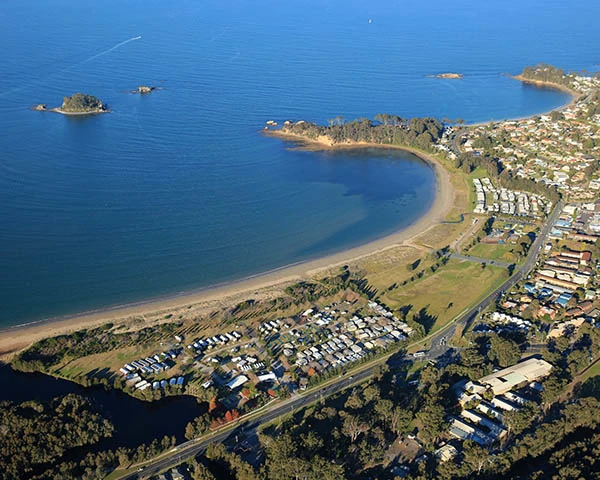
The bay sits inside Ningaloo Marine Park on the eastern, lee side of the North West Cape, sheltered from the prevailing south-westerly trades by the cape's geography. The Yinikutira and Baiyungu peoples are the traditional custodians of this coastline. The cape itself rises to 235 metres at Mount Wyndham and creates a wind shadow on the eastern side that keeps Bateman Bay diveable when sites on the western reef are blown out. The shelter makes this the operator's-choice site when conditions deteriorate elsewhere, and the cleaning station has consequently been documented in long-running manta-identification research at the cape over more than two decades.
The dive itself is straightforward. A short boat transit from Exmouth's Tantabiddi Boat Ramp drops divers over the bay's main bommies in 10 to 15 metres of water, with sandy patches between coral structures and depth running gradually to 22 metres at the deeper edges. The cleaning stations are small specific points on the bommies, identifiable by both the resident cleaner wrasse populations and (during cleaning sessions) the queueing mantas themselves. Most dives are conducted as a brief negative-buoyancy descent to the bottom, followed by patient hovering or kneeling on the sand at the station's edge for the duration of the interaction. Movement during a cleaning event tends to push the manta off station, so the protocol is stillness rather than pursuit. A typical interaction lasts 15 to 40 minutes depending on the day, with multiple mantas rotating through the station during longer sessions.
Reef [manta rays](https://scubadownunder.com/blog/diving-with-manta-rays-in-australia) are the headline and the reason for the trip. Individual mantas at Bateman Bay have been identified across multiple seasons by their underside spot patterns and have been recorded returning to the same cleaning stations year after year. Peak season runs May through October when individual numbers build and group aggregations of up to a dozen rays at a single station are reported on the best days. Outside peak, two to four mantas per dive is typical. Beyond the mantas, the bay holds the standard [Ningaloo reef](https://www.scubadownunder.com/dive-sites/ningaloo-reef) cast: green and hawksbill turtles resting on the bommies, schooling sweetlips and snapper in the deeper recesses, whitetip and grey reef sharks patrolling the edges, and dense populations of damselfish, parrotfish, and coral trout across the hard coral. Olive sea snakes and reef octopus are regular sightings. Whale sharks pass through the outer reef on transit between March and August but are encountered on dedicated whale shark snorkel trips rather than at Bateman Bay itself.
Visibility runs 10 to 20 metres across the diving season, with the cleanest water during the autumn-to-winter window when surface conditions are calmest. Water temperature ranges from 22°C in late winter to 28°C in late summer, supporting a 3mm shorty or 5mm full suit depending on personal preference and dive duration. The bay's sheltered geometry produces minimal current at the cleaning stations themselves, which is part of why the mantas use them. Charter operators time visits around morning calm conditions when surface chop is least disruptive to the boat work. The site is diveable in conditions that close most of the outer reef, making it the consistent fallback option for Exmouth-based dive trips when easterly winds drop the visibility on the western reef sites.
For underwater photographers, Bateman Bay's combination of moderate depth, reliable subjects, and clear water make it the best manta-photography site on the Ningaloo coast. The cleaning stations sit shallow enough for natural light to dominate, with strobe work needed only at the deeper edges of the bay. Manta belly markings used for individual identification photograph cleanly at horizontal angles with the diver below the subject. Research divers contribute regularly to the Project Manta identification database from sightings here, and operator-led citizen science programmes encourage divers to submit identification shots. Beyond mantas, macro photographers find nudibranchs along the bommies' shaded sides and the occasional resting nurse shark under overhangs at depth.
Bateman Bay is the kind of dive site that earns its reputation through consistency rather than rarity. The mantas come back. The bay stays diveable when its neighbours do not. The encounters last as long as the divers stay still. For Exmouth-based dive trips, Bateman Bay is the one site nearly every visiting diver finishes the week having dived multiple times.
## Site Access and Logistics
Bateman Bay is accessed by boat charter only, with the standard departure from Tantabiddi Boat Ramp 14 kilometres north of Exmouth. Transit time is short (under 30 minutes for most operators), and morning charters typically schedule two dives at Bateman Bay or one Bateman Bay dive plus a second site at a nearby bommie cluster. Exmouth is reached by domestic flight to Learmonth Airport followed by a 35-kilometre transfer, or by sealed road from Perth (1,200 kilometres, two days driving). All Ningaloo dive operators run Bateman Bay trips during the manta season; Ningaloo Whaleshark-N-Dive, Exmouth Diving Centre, and [Coral Bay](https://www.scubadownunder.com/dive-sites/coral-bay)-based operators on extended day-charter all operate routinely on the site. Open Water certification at minimum; the cleaning station depth is within recreational training limits but the bay's outer edges run to 22 metres, putting Advanced Open Water on the recommended-but-not-required list. Marine park rules prohibit touching, chasing, or blocking the manta flight path; charter briefings cover the interaction code in full before each dive.
## Sources
- [Project Manta — reef manta ray identification database and research (UniSC)](https://www.unisc.edu.au/about/structure/schools/school-of-science-technology-and-engineering/project-manta) - [Coral Bay Ecotours — Ningaloo manta cleaning station tours](https://www.coralbayecotours.com.au) - [Exmouth Diving Centre — site guide and seasonal calendar](https://www.exmouthdiving.com.au) - [Department of Biodiversity, Conservation and Attractions WA — Ningaloo Marine Park](https://exploreparks.dbca.wa.gov.au/park/ningaloo-marine-park) - [Michael McFadyen's Scuba Diving — Bateman Bay notes](http://www.michaelmcfadyenscuba.info)
Visibility at Bateman Bay
Visibility at Bateman Bay typically ranges from 10 to 20 metres, though it shifts with swell, wind and recent rainfall. April to November generally offers the best conditions for diving here.