Brampton Island, QLD
By ScubaDownUnder Team · 2025-07-18
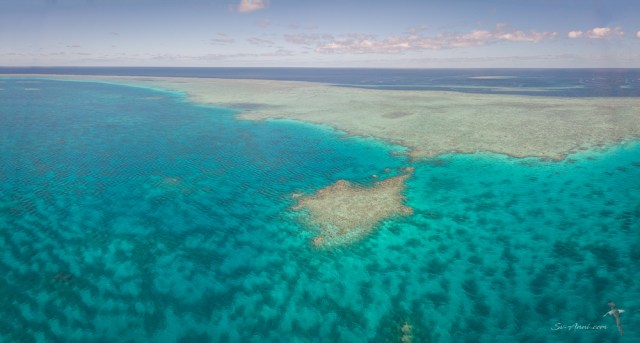
# Opening snapshot Brampton Island sits at the southern entrance of the Whitsunday Passage, thirty two kilometres north east of Mackay, hemmed in by golden beaches and a vibrant fringing reef system. Just offshore, the reef edge drops away to form Brampton Island Wall, an arresting vertical escarpment draped in soft corals, gorgonians and sponge gardens that lure pelagic visitors and macro enthusiasts alike.
# Getting there and setting up Most divers reach the site aboard Mackay based day boats that shuttle guests among Scawfell, Keswick and Brampton Islands. The run out takes about ninety minutes over usually sheltered seas. Liveaboards visiting the Whitsunday Passage sometimes schedule a dawn or dusk splash on the wall, pairing it with relaxed afternoon snorkelling in the sheltered Fishbowl channel between Brampton and Carlisle Islands. Moorings on the outer reef edge keep anchor damage off fragile corals, but skippers still brief guests on careful entry because currents can build quickly at peak tide.
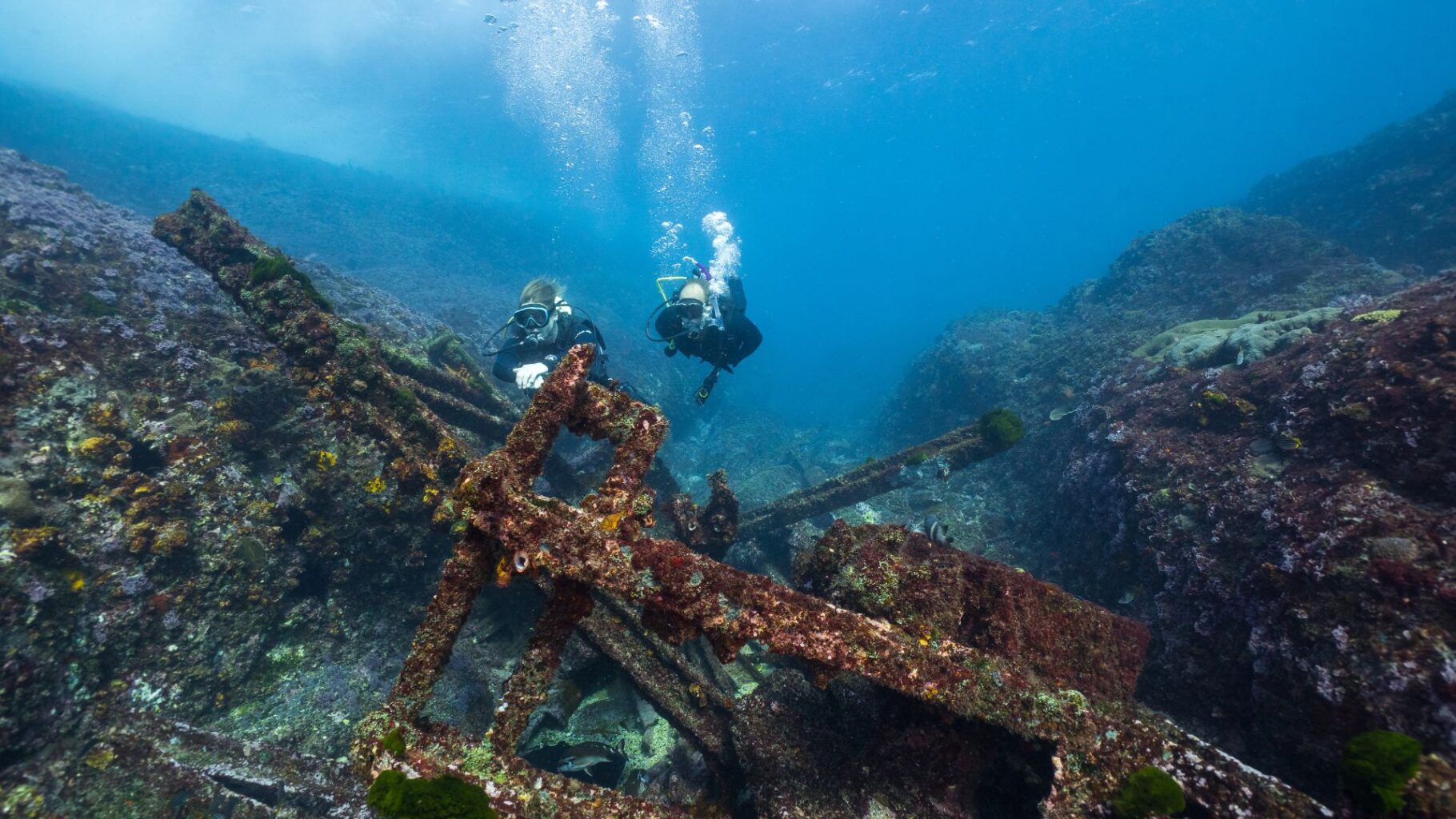
Site anatomy The reef top begins in six metres of clear turquoise water before plunging in a single limestone step to twenty four metres. Large gutters slice into the wall, their roofs festooned with orange soft corals that pulse in the surge. In the south western section a series of bommies stands proud on the sand, acting as cleaning stations for small wrasse that pick parasites from passing batfish and trevally. At the northern end the wall bows inward to create a modest overhang where sleeping turtles often wedge themselves at night.
# Diving conditions Visibility averages twelve to eighteen metres during the dry season and improves to twenty on the neap tides of winter. Summer brings plankton blooms that feed filter feeders but can reduce the view to eight metres. Water temperature hovers around twenty five degrees for most of the year, slipping to twenty one in July. Plan drops for the hour straddling slack water; outside that window an accelerating passage flow can turn the dive into a fast drift.
# Marine life highlights Brampton Island Wall is a riot of colour. Delicate purple sea fans angle into the prevailing flow while feathery black crinoids cling to every ledge. Schools of yellow snapper patrol mid water, parting for inquisitive batfish that shadow divers from the descent line to the safety stop. Keen eyes will spot nudibranchs camouflaged against orange sponge or the marble patterned face of an octopus peering from a crack. Summer attracts dogtooth tuna hunting fusiliers along the drop off, and reef white tip sharks cruise the sand at depth. In autumn, mating cuttlefish perform mesmerising colour changes close to the reef crest.
# When to dive May to September offers the most reliable mix of clear water, calm seas and low rainfall. Trade winds do freshen during July, but the wall’s position on the lee side of the island gives usable shelter. November to March brings warmer seas and excellent coral growth yet increases the chance of jellyfish; full body suits are strongly recommended for stinger season.
# Experience level and skills Although the maximum depth is modest, Brampton Island Wall rewards good buoyancy control. The vertical face leaves no sand patches for impromptu kneeling, and wayward fins can snap brittle coral branches. Intermediate divers comfortable with blue water ascents will relish drifting off the wall and launching a delayed surface marker buoy if the current carries them beyond the main mooring. Novices should request a guided profile that follows the reef edge back to the shallows for an easy safety stop on the coral garden.
# Gear recommendations A three millimetre wetsuit suffices for most of the year; add a hooded vest in winter. A torch reveals vivid reds lost at depth and helps pick out macro life hidden in crevices. Bring a reef hook if you plan photography during stronger flow, but use it only on bare rock. Wide angle lenses capture the imposing drop off while a fifty millimetre macro lens isolates nudibranchs among soft corals.
# Environmental stewardship The wall lies within the Great Barrier Reef Marine Park and the island forms part of Brampton Islands National Park. Divers must refrain from touching coral, ensure equipment is streamlined, and avoid entering no anchor zones except on the supplied moorings. Participating in post dive debris collection and logging sightings of turtles or sharks with citizen science apps supports ongoing conservation of this fragile ecosystem.
# Final thoughts Brampton Island Wall may not share the fame of Ribbon Reef pinnacles or the drama of deeper Coral Sea atolls, yet its blend of accessible depth, bustling marine life and serene island scenery makes it a standout in the Mackay Whitsunday region. Whether you drift along the sponge encrusted ledges at dawn or linger beneath bommies alive with colour, the wall delivers a memorable taste of Great Barrier Reef diving without the crowds.