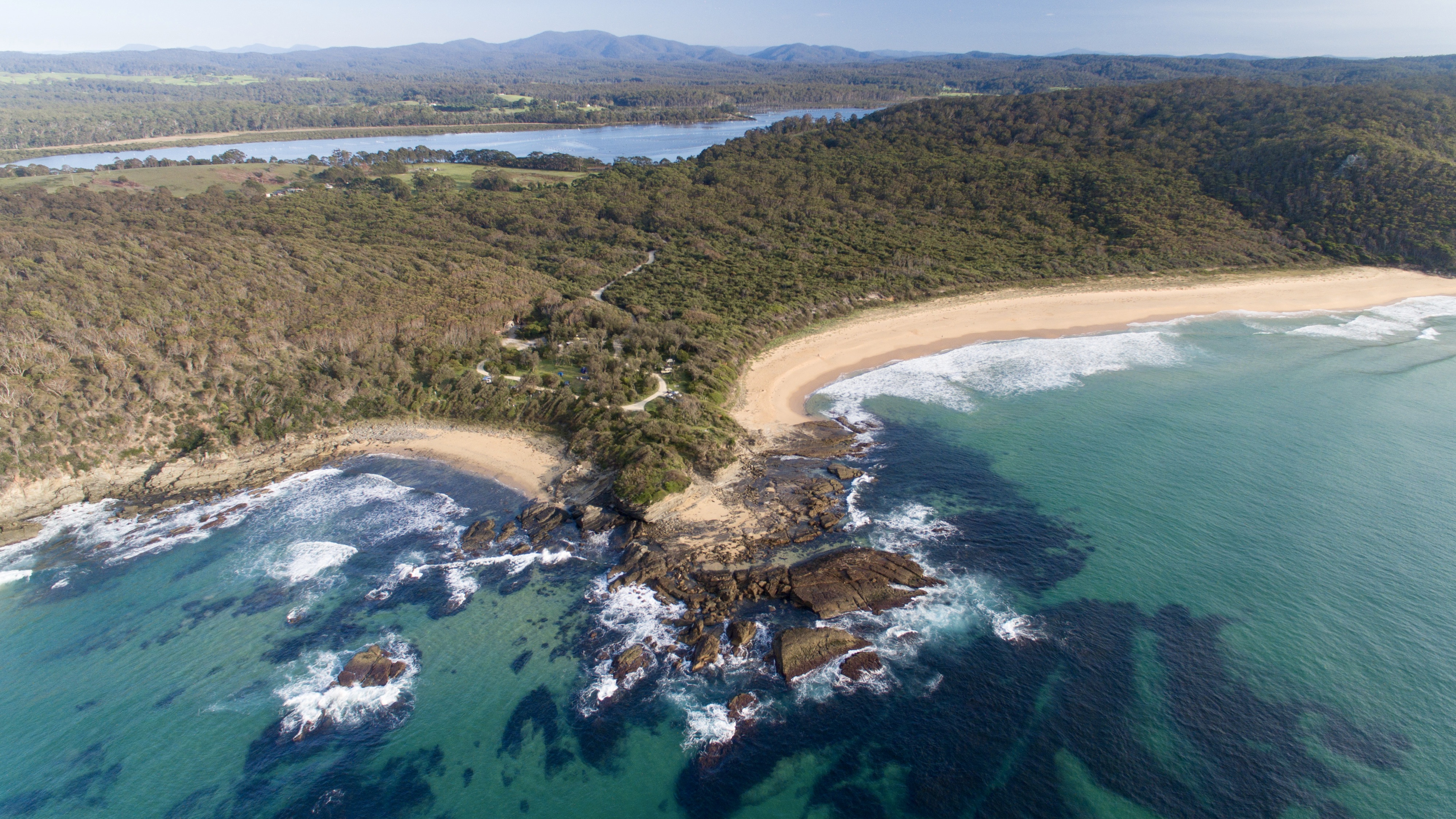
Cape Donington
Eyre Peninsula, SA
Cape Donnington
By ScubaDownUnder Team · 2025-11-14
Cape Donington
Cape Donington sits at the most northerly part of the Jussieu Peninsula on the east coast of the Eyre Peninsula in South Australia approximately 10 km east of Port Lincoln.
The drive into the surrounding Lincoln National Park is sealed then unsealed, described as “easy” via a $7 km unsealed road branch.
From a dive-perspective this is a shore-accessible site (though you will want local knowledge) rather than a busy boat-entry location. The map of the region flags Cape Donington as a “Dive Spot”.
Setting & Underwater Terrain
The coastline at Cape Donington offers a mix of wooded headlands, sheltered coves (for example Spalding Cove) and the more exposed outer reef margins. The terrain under the surface likely mirrors this: rocky reef, boulders and kelp/seagrass zones, transitioning into deeper reef structures off-shore. While explicit dive-site depth charts for Cape Donington are scarce, the general guidance for the Eyre Peninsula region suggests variable visibility and cold water, especially outside summer.
Marine Life & Features
While there are no abundant published dive-site logs for Cape Donington specifically, we can infer from the region:
Expect temperate marine life typical of SA’s Eyre Peninsula: kelp forests, schools of temperate fish, sponges, bryozoans and possibly smaller macro-critters.
The region is known for remote, cleaner water settings (weather and sea state permitting) and offers an undisturbed marine environment. Because of the seclusion there is potential for less-common sightings though not as famed as some nearby sites for specific species. As with many SA sites, water temperatures will be cooler (especially outside December-March) so appropriate thermal protection is necessary.
Conditions & Suitability
Access: Shore entries are possible; some tracks are unsealed and 4WD gear may be beneficial for the more remote tracks mentioned in the broader park.
Sea & Wind: The east coast of Jussieu Peninsula can be exposed to wind and swell, so choosing days with favourable conditions (shore wind, moderate sea state) is key. Visibility: Expect variable visibility, as with much of South Australian temperate diving. Thermals: Use of wetsuit (5 mm or even drysuit depending on season) is advised given cooler waters. Skill level: This is best for intermediate to advanced divers comfortable with variability in conditions. It may not offer the ease of a sheltered jetty entry dive used by novices. Marine park rules & environment: As within a national park and marine management zone, adherence to minimal impact diving practices is expected.
Why Dive Here?
It offers a sense of isolation and wilderness not found in more accessible dive sites, fewer crowds, a chance to be in nature. The terrain gives a dual flavour of sheltered bay (for calmer dives) and rugged headland reef (for more adventurous dives). The setting in Lincoln National Park adds value for an overall dive-trip that combines land and sea experiences.
Key Tips for the Visit
Plan for tides, weather and sea-state: aim for calm days and check local wind directions (east coast exposure). Bring full thermal protection and consider dive timing (summer offers warmer water, better visibility). Use local contacts (dive shop or outfitter in Port Lincoln) to get up-to-date advice on access tracks, entry points, and condition lulls. Entry point: identify a suitable bay or cove (Spalding Cove or similar) rather than diving directly off the exposed cape Marine environment: tread lightly, avoid disturbing benthic life, stay within no-take rules if applicable. Because the site is more remote, ensure you have backup (surface support, communication, dive plan), and notify someone of your dive plan
Verdict
Cape Donington offers a unique dive opportunity on the Eyre Peninsula. It is not the easiest access nor the most documented in dive-site directories, but precisely for that reason it can reward the diver looking for less-visited terrain and a stronger connection with the wild coastal marine environment of South Australia. If you are prepared for the logistical demands, willing to pick your weather window, and comfortable with moderate to rigorous dive conditions, this site deserves serious consideration.
Verdict: A dive for the adventurous and prepared, potentially highly rewarding but not for the uninitiated.
Sources:
- Cape Donington - Marine Life - Shark Diving - Arno Bay - Dutton Bay
Visibility at Cape Donington
Visibility at Cape Donington typically ranges from 10 to 15 metres, though it shifts with swell, wind and recent rainfall. Spring-Summer generally offers the best conditions for diving here.
Right now: approximately 6 m, 98% confidence (updated 12:30 AEDT).
View the live forecast and 7-day outlook for Cape Donington →