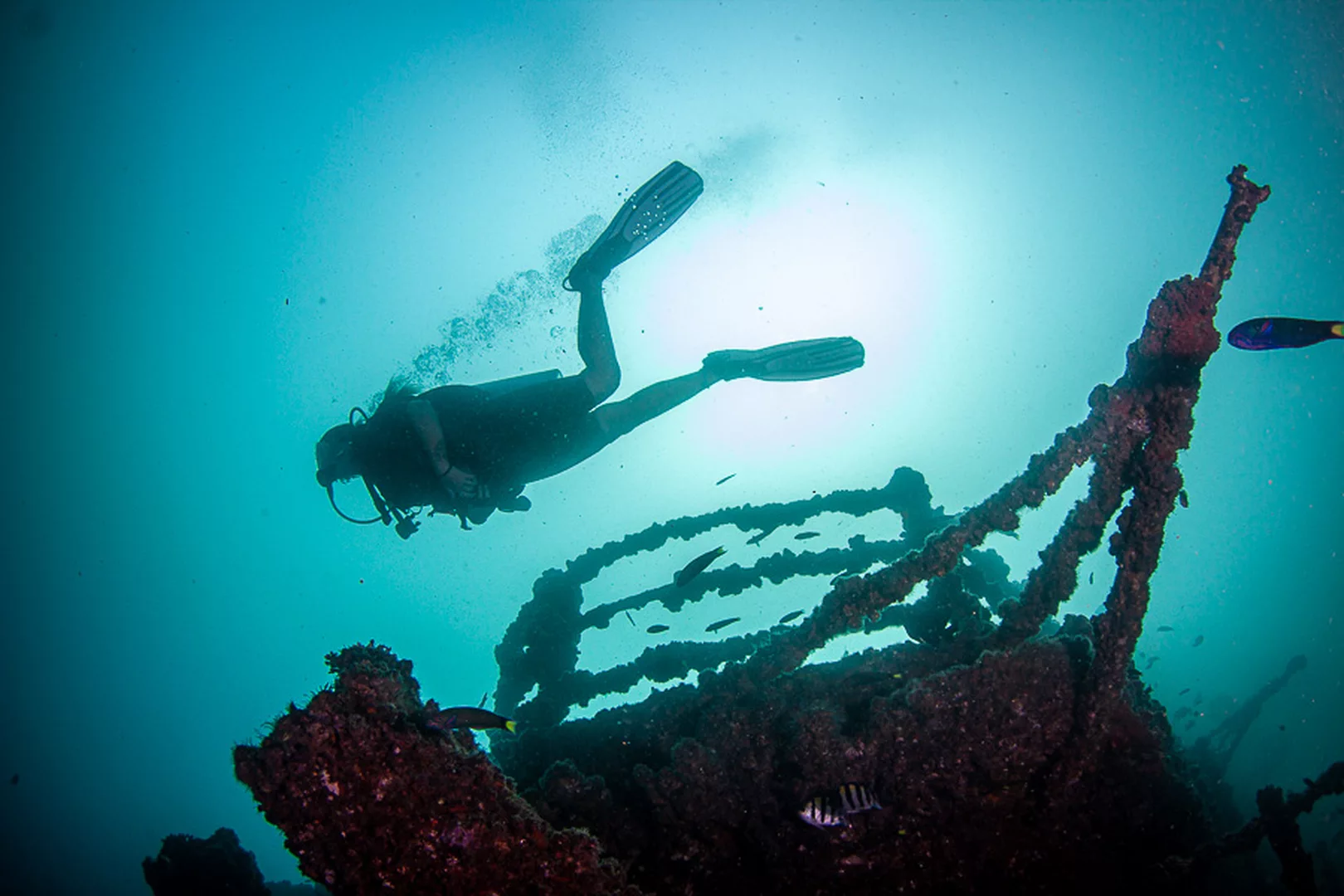
Ex-HMAS Brisbane
Sunshine Coast, QLD
Exploring a Legend: The HMAS Brisbane Wreck
By ScubaDownUnder Team · 2026-03-12
# Exploring a Legend: The [HMAS Brisbane](https://www.scubadownunder.com/dive-sites/hmas-brisbane) Wreck
For many divers, the allure of a [shipwreck](https://scubadownunder.com/blog/best-wreck-dives-in-australia) lies not only in its historical narrative but also in its transformation into a vibrant underwater ecosystem. The HMAS Brisbane, a decommissioned guided-missile destroyer of the Royal Australian Navy, stands as a prime example of such a metamorphosis. Purpose-sunk in 2005 off the Sunshine Coast, [Queensland](https://scubadownunder.com/blog/best-places-to-dive-in-queensland), this magnificent vessel has become a world-class artificial reef, offering an accessible yet deeply rewarding dive for enthusiasts of all levels. It is a site where history and nature converge, creating an unforgettable experience beneath the waves.
## The Essentials: Your Dive Briefing
Before embarking on your exploration of this iconic wreck, here are the vital statistics for a safe and enjoyable descent:
- Depth Range: The HMAS Brisbane rests upright on the seabed, with its shallowest point, the crows nest, beginning at approximately 5 metres, and its deepest sections, including the stern, reaching around 28 metres. This broad range caters to various certification levels, allowing for extended bottom times at shallower depths and deeper penetrations for appropriately qualified divers. - Visibility: Generally good, ranging from 10 to 20 metres. The clear waters of the Sunshine Coast contribute to excellent viewing conditions, though visibility can be influenced by prevailing currents and weather. - Water Temperature: A comfortable 19–26°C. This temperate range means a 3mm to 5mm wetsuit is typically sufficient for warmth, making for an enjoyable dive experience year-round. - Current/Conditions: Divers should anticipate mild to moderate currents. While not as consistently strong as some exposed sites, currents can vary, particularly around the deeper sections of the wreck. The vessel's substantial structure does provide some areas of shelter, making it manageable for intermediate divers.
## Terrain & Navigation: A Walk Through Naval History
The HMAS Brisbane, measuring 133 metres in length, was meticulously prepared for its new role as an artificial reef, with numerous access points and large cut-outs to facilitate safe exploration. This thoughtful preparation makes it one of the most accessible large wrecks for recreational divers.
> Key navigational features and areas of interest include:
- The Bow & Stern: Both ends of the ship offer impressive views, with the bow often hosting schooling fish and the stern providing deeper sections and propeller views. - Bridge & Control Room: These areas are particularly fascinating, allowing divers to swim through the command centres of the vessel, now adorned with soft corals. - Engine Room: With specific access points, the engine room provides a captivating, though often dark, environment to explore the ship's powerful heart. Adequate training and lighting are crucial for this section. - Deck Guns & Missile Launchers: These formidable weapons systems remain largely intact, serving as stark reminders of the ship's former purpose, now covered in a colourful array of marine growth.
Navigation is generally straightforward due to the ship's upright position and the numerous entry/exit points. Mooring lines are typically used for descent and ascent, ensuring easy access to the wreck.
## Marine Life Highlights: A Thriving Underwater Metropolis
The HMAS Brisbane has truly blossomed into an underwater oasis, attracting an incredible diversity of marine life. It is a thriving metropolis beneath the waves, constantly evolving and offering new discoveries on every dive.
- Resident Groupers: Enormous Queensland groupers are - Graceful Gliders: Keep a watchful eye for majestic turtles and elegant rays gracefully cruising around the wreck and its surrounding sandy seabed. - Schooling Spectacles: The wreck acts as a magnet for vast schools of fish, including snapper, trevally, and barracuda, creating shimmering, dynamic displays. - Macro Marvels: Beyond the larger inhabitants, the HMAS Brisbane is also home to a plethora of macro life. Nudibranchs, shrimps, and various crustaceans find refuge and sustenance within the intricate structures, offering delightful discoveries for observant divers. - Soft Coral Gardens: The ship's surfaces are heavily encrusted with soft corals, sponges, and hydroids, painting the grey steel with vibrant hues and creating micro-habitats for smaller creatures.
## Logistics & Facilities: Planning Your Wreck Adventure
> Diving the HMAS Brisbane is a popular activity, and numerous operators make it an accessible venture:
- Accessibility: The wreck is located approximately 5 nautical miles (9.3 km) offshore from Mooloolaba, on the Sunshine Coast. Access is exclusively via licensed dive charter operators from Mooloolaba. - Facilities: Dive operators provide comprehensive services, including gear rental, air fills (including nitrox for extended bottom times), and often guided tours of the wreck. Shore facilities are available at Mooloolaba. - Best Time to Dive: While diveable year-round, the period from May to October typically offers the calmest seas and best visibility, coinciding with Queensland's dry season. - Permits & Certification: Diving the HMAS Brisbane requires appropriate dive certification (typically Advanced Open Water due to depth) and often a permit, which is usually included in the dive charter package.
## Who Is It For?: Intermediate and Beyond
The HMAS Brisbane is primarily an intermediate-level dive. While its accessibility and careful preparation make it less intimidating than some other wrecks, the depth range and potential for mild currents mean that divers should have some experience beyond their initial open water certification. Advanced divers will find ample opportunity for deeper exploration and longer dives, particularly if utilising nitrox. Its well-preserved structure and abundant marine life make it a truly rewarding experience for those ready to explore a piece of naval history teeming with life.
## Pro-Tip: A Welcoming Wreck
The "vibe" of the HMAS Brisbane is one of welcoming grandeur. Unlike some more challenging or sombre wrecks, the Brisbane feels alive, a testament to its successful transformation into a thriving marine habitat. It’s a place where you can comfortably immerse yourself in both history and nature, leaving with a profound appreciation for both the vessel's past and its vibrant present.
Visibility at Ex-HMAS Brisbane
Visibility at Ex-HMAS Brisbane typically ranges from 10 to 30 metres, though it shifts with swell, wind and recent rainfall. Year-round generally offers the best conditions for diving here.
Right now: approximately 5 m, 98% confidence (updated 07:02 AEST).
View the live forecast and 7-day outlook for Ex-HMAS Brisbane →