Julian Rocks
Byron Bay, NSW
Julian Rocks Dive Site Guide | Byron Bay, NSW, Australia
By ScubaDownUnder Team · 2026-04-10
Julian Rocks (Nguthungulli)
Two and a half kilometres off Byron Bay beach, a pair of volcanic rocks break the surface that have been drawing divers for decades and break virtually every rule of what a dive site is supposed to be. Julian Rocks, known to the Arakwal and other Bundjalung people as Nguthungulli, Father of the World, sits where the East Australian Current brings warm water south from the tropics and cooler Southern Ocean influence pushes north from below. The collision of these water masses produces a marine environment of extraordinary biological diversity: over 1,000 recorded species, including more than 500 fish species drawn from both tropical and temperate communities. Reef manta rays in summer. Grey nurse sharks in winter. Leopard sharks on the sandy gutters year-round. Three species of turtle resident. More than 20 species of shark and ray recorded. This is a fully protected sanctuary zone within Cape Byron Marine Park. Nothing can be taken. The site is accessible by boat from Byron Bay beach in under 10 minutes, and the operator community here, particularly Sundive and Byron Bay Dive Centre, have operated here for decades and know these waters well.
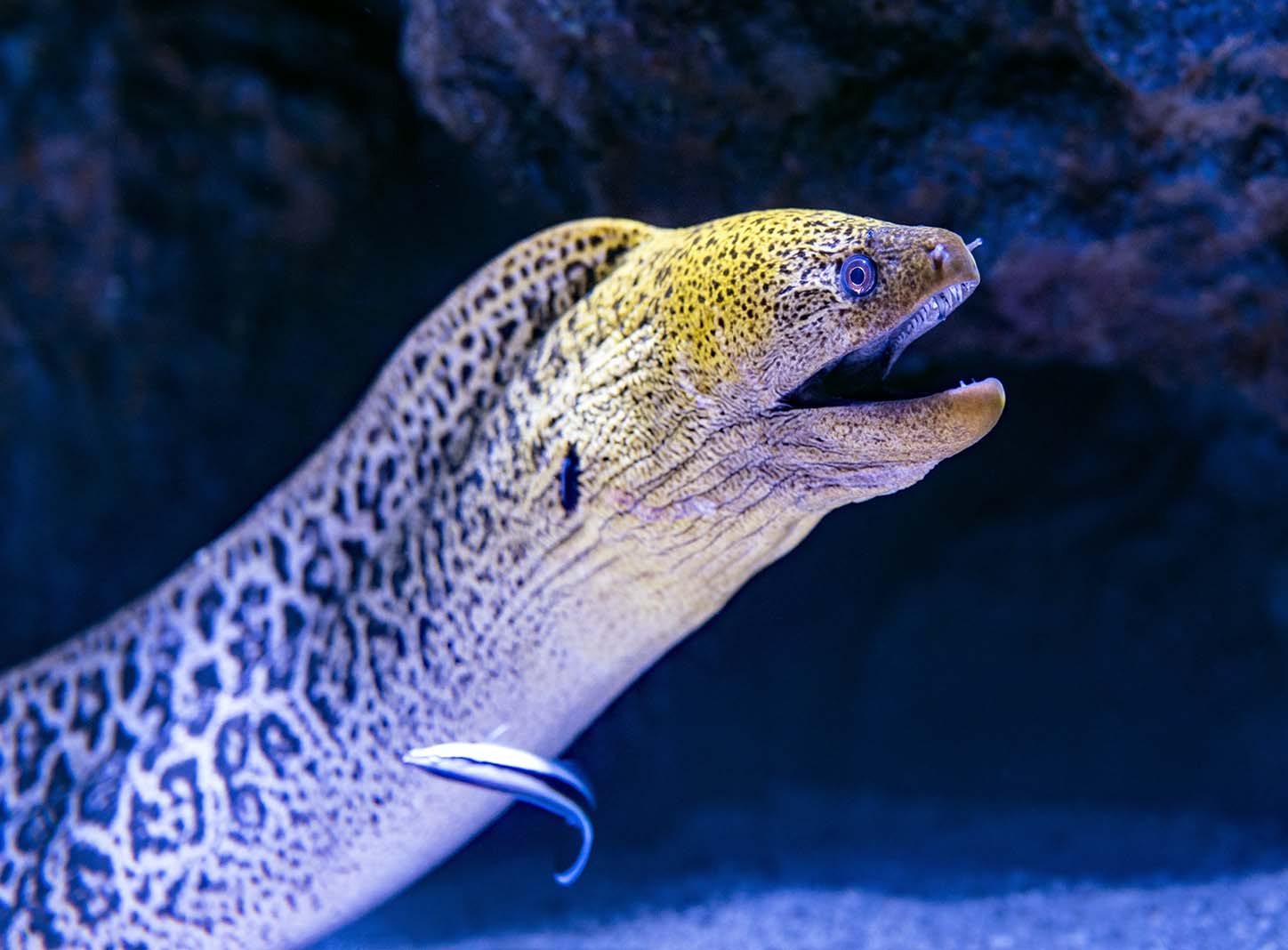
--- ### Quick stats - Detail Info - Location 2.5 km off Byron Bay beach, Cape Byron Marine Park, NSW - Skill Level All levels, specific sites vary - Depth Range 5–24 m depending on site - Typical Visibility 10–20 m - Water Temperature 18–27 °C - Best Season Year-round; summer (Nov–Apr) for mantas and leopard sharks, winter (May–Sep) for grey nurse sharks - Entry Type Boat, beach launch from Byron Bay - Hazards Current on some sites; site selection made on the day by operators based on conditions - Facilities Full operator facilities in Byron Bay town; equipment hire, courses, guided dives --- ## The dive sites Julian Rocks has multiple named dive sites, each with a distinct character. Operators select the day's sites based on current, visibility, and diver experience. - The Nursery (5–12m): The most dived site and the starting point for most visiting divers. Shallow, protected, and filled with juvenile fish species from over 500 recorded species. Hawksbill, green, and loggerhead turtles feed here year-round. The perfect site for new divers. - Split Bommie (to 15m): Large scattered bommies with a crevice regularly packed with schooling bullseye fish, large wobbegong sharks, and marine invertebrates. Grey nurse sharks cruise this site in winter. - Hugo's Trench (15–18m): Sheer walls on either side creating a trench environment dense with macro life, nudibranchs, Spanish dancers, crayfish, mantis shrimp, moray eels, ghostfish, pineapple fish, bubble snails. Bull rays and wobbegongs in the crevices. - The Cod Hole (15–21m): A small underwater cave on the northern tip. Resident black cod (Queensland groper), grey nurse sharks in winter, moray eels, and schools of large fish. Advanced divers preferred. - The Needles (5–15m): Large bommies on the southern end providing a feeding station for manta rays and a regular gathering spot for leopard sharks in summer. Bull rays and eagle rays year-round. - The Cray Cave (to 25m): Surrounded by large rock outcrops on the south-eastern end. Grey nurse sharks in winter, wobbegongs, cod, turtles, large bull rays. --- ## Marine life - Grey nurse sharks: The critically endangered grey nurse shark aggregates at Julian Rocks in the cooler months from May to October. Population monitoring shows a significant increase in sightings since the full sanctuary zone protection came into effect in 2006. The Cod Hole and Cray Cave are the most consistent aggregation sites. Do not follow, corner, or approach directly, observe from distance and allow the sharks to move freely. - Reef manta rays: November to April. Both reef mantas and occasional oceanic mantas visit the cleaning stations at The Needles and Split Bommie. Groups of three to four individuals have been recorded simultaneously. The mantas are habituated to divers and will engage in extended hover behaviour at the cleaning stations. - Leopard sharks: Over 500 individual leopard sharks have been identified visiting Julian Rocks each year. They rest on the sandy gutters adjacent to the bommies in the warmer months. The Needles area is the primary gathering site. - Three species of turtles: Green, hawksbill, and loggerhead turtles are resident and feeding at Julian Rocks year-round. The Nursery is their primary feeding area. Encounters are among the most reliable of any NSW site. ### Other species - Humpback whales (July–October) are frequently heard during dives and occasionally visible from the boat. - Dolphins are common in the bay. - Ornate ghost pipefish (tropical), - blue-ringed octopus, over 100 nudibranch species, barracuda, kingfish, mackerel, giant Queensland groper, black coral on the deeper sections.
--- ## Conditions and planning Current is the primary variable at Julian Rocks. On some days it is negligible; on others it runs strongly around specific sections of the rock. Operators conduct site briefings that include current direction and management. Listen carefully. Visibility is typically 10–20m but can be affected by plankton blooms in summer (which also attract the mantas and whale sharks) or heavy rain on the mainland catchment. Water temperature ranges from 18°C in winter to 27°C in summer. A 3mm wetsuit covers summer; 5mm for winter. --- ### Getting there Julian Rocks is accessible only by boat from Byron Bay beach, the operators beach-launch purpose-built RHIBs. The 10-minute crossing is smooth in most conditions. Single, double, and triple dive packages are available with same-day return to shore between each dive. All diving is guided.
--- ### Dive operators - Sundive Byron Bay and Byron Bay Dive Centre are the primary operators. Both are long-established, PADI-certified, and operate daily. - Find dive operators near Byron Bay →
--- ### FAQ - What is the best time to dive Julian Rocks? Year-round, but each season has its headline species. Summer (November–April) for manta rays and leopard sharks; winter (May–September) for grey nurse sharks and humpback whale sightings. Turtles and reef fish are consistent across all seasons. - Is Julian Rocks suitable for beginner divers? Yes, The Nursery is one of the more suitable beginner sites in NSW, with shallow depth, consistent marine life, and no significant current on most days. Operators assess conditions on the day and select appropriate sites. - Do I need to book in advance? Yes. Both operators limit group sizes and boats fill quickly in summer. Book at least a day ahead; book further ahead during school holidays and long weekends. ---
---
*Planning a NSW dive trip? See our region-by-region guide to the best places to dive in NSW for the full overview of dive sites across the state.*
Visibility at Julian Rocks
Visibility at Julian Rocks typically ranges from 10 to 30 metres, though it shifts with swell, wind and recent rainfall. Year-round generally offers the best conditions for diving here.
Right now: approximately 2 m, 83% confidence (updated 10:35 AEDT).