Noarlunga Tyre Reef
Adelaide, SA
Noarlunga Tyre Reef Dive Site Guide | Adelaide, SA, Australia
By ScubaDownUnder Team · 2025-09-27
The water above the site looks unremarkable from the boat, a patch of slightly darker shadow on an otherwise featureless gulf floor, 12 metres down on a sandy plain. The descent tells a different story. A structure resolves out of the pale green water, irregular, encrusted, and busier than any piece of sand-surrounded hard bottom in Gulf St Vincent has any right to be. The Noarlunga Tyre Reef is a product of an artificial reef construction approach that has since fallen out of favour; scrap tyres bundled and sunk in the 1980s to create habitat on a gulf floor that was largely without it. The ecological outcome has, in its own modest way, vindicated the experiment, and the reef today is one of metropolitan Adelaide's more interesting short-boat destinations.
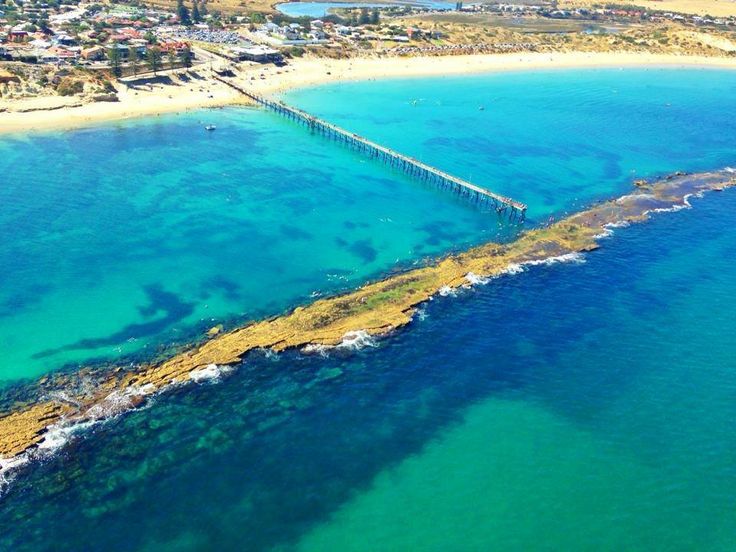
The reef sits approximately 2.5 kilometres west of the Port Noarlunga jetty, in waters now forming part of the Encounter Marine Park, a multi-use conservation area that covers much of the southern metropolitan coast and Fleurieu Peninsula. The Kaurna people are the Traditional Custodians of the Gulf St Vincent coast, and the site sits within their saltwater country. The tyre formations themselves have been on the bottom long enough to develop a functioning community of encrusting invertebrates and resident fish, and the cavities within the stacks have become the preferred habitat of animals that hard structure in these waters eventually attracts.
The tyre bundles sit on sand in roughly 10 to 12 metres of water, pyramidal stacks that provide the three-dimensional structure the surrounding gulf floor entirely lacks. Decades of colonisation have covered the rubber in a layer of sponges, ascidians and bryozoans dense enough that from a few metres out the stacks read as irregular reef rather than industrial waste. The surface texture is the result, the accumulated growth breaks up the outline of the tyres and creates the microhabitats that smaller invertebrates and reef fish exploit. Boarfish drift across the top of the stacks. Old wives hover in small groups in the lee of the structure. Cowfish and leatherjackets pick over the sponge faces with the steady concentration of animals working familiar territory. At the sand interface, rays and flatheads rest on the open bottom, and the whole assembly has the compressed, inventory-style richness that characterises every productive artificial reef in southern Australian waters.
Giant cuttlefish (Sepia apama) are the most reliable large residents, using the elevated structure of the tyre reef as a territorial reference in the same way they use any prominent feature in the otherwise flat gulf. Weedy sea dragons (Phyllopteryx taeniolatus) appear in the seagrass patches around the perimeter, drifting at angles with the slight swell and holding their positions with the stillness that makes them almost impossible to spot at speed. The tyre cavities themselves are the critical microhabitat, and they are also the site's principal hazard. Porcupine fish and leatherjackets use the cavities as permanent shelters, and the southern blue-ringed octopus (Hapalochlaena maculosa) that colonises the enclosed, darker spaces within the stacks is small, cryptic and lethally venomous. The inside of a tyre cavity is exactly where this animal will be. Reaching in, turning over rubber, or sweeping with a hand is not an option at this site. Wobbegongs sometimes rest in the gutters between stacks, and blue devils occupy the deeper cavities with the prim territoriality the species is known for across southern Australian reef systems.
Visibility runs from 3 metres on a bad day to 12 on a good one, with the clearer water generally arriving from April through October when swell is more settled and suspended sediment drops out of the water column. Water temperature swings from around 13°C in August to 20°C in late summer, and a 7mm wetsuit is the sensible year-round choice. A 5mm covers the warmest months. There is effectively no current at the site, and the tidal movement in this part of Gulf St Vincent is gentle. Swell is the variable that most often closes the dive; a southwest swell working into the gulf produces surface chop that makes the short boat ride unpleasant and can reduce underwater visibility through suspended sand. The site is best on a settled autumn day with offshore winds and a neap tide.
Buoyancy control is the site's defining requirement. The silt inside and around the tyres is fine and disturbs at the slightest fin contact. A diver who fins along the top of a stack without trim control will eliminate visibility for every dive that follows, and approaching from above with neutral buoyancy is the only acceptable technique. The reward for that discipline is detail, nudibranchs across the sponge-covered rubber, small gobies in the sand, and the slow assessment that cuttlefish offer when they are not being pushed. Night dives on the site reveal the octopus population, both the southern blue-ringed and larger Maori octopus, becoming active across the structure.
The tyre reef does not pretend to be a natural site, and it is better for it. It is a clear case of what a modest, thirty-year-old ecological experiment produces when left alone, a functioning community in a place that used to be nothing but sand.
Site Access and Logistics
The Noarlunga Tyre Reef is a boat-only site, reached from the O'Sullivan Beach boat ramp, approximately 30 kilometres south of Adelaide's CBD. A GPS waypoint from a local operator is the practical way to locate the site on a first visit; the stacks are not visible from the surface. Diving Adelaide (https://divingadelaide.com.au), a PADI 5-Star centre, runs guided trips to metropolitan reef sites from Port Noarlunga and can advise on tyre reef access. The Dive Shack (https://thediveshack.com.au), based in Glenelg, also runs charter trips along the metropolitan coast. Open Water certification is appropriate; the depth is well within recreational limits and the absence of current keeps the dive straightforward. Good buoyancy is the real prerequisite, and a refresher is worth it for divers who have not been in the water recently. Full beach-suburb facilities are available at Christies Beach, including parking, toilets and cafes along the foreshore.
Sources
- Diving Adelaide, guided shore diving (https://divingadelaide.com.au) - The Dive Shack, Adelaide metropolitan dive sites (https://thediveshack.com.au/dive-sites/local-dive-sites-adelaide-metropolitan/) - Scuba Divers Federation of South Australia, Adelaide Metro sites (https://sdfsa.net/sa-dive-sites/adelaide-metro/) - Department for Environment and Water SA, Encounter Marine Park - South Australian Trails, Port Noarlunga Reef (https://www.southaustraliantrails.com/trails/port-noarlunga-reef/)
Visibility at Noarlunga Tyre Reef
Visibility at Noarlunga Tyre Reef typically ranges from 8 to 12 metres, though it shifts with swell, wind and recent rainfall. October-March generally offers the best conditions for diving here.
Right now: approximately 7 m, 98% confidence (updated 10:34 AEDT).
View the live forecast and 7-day outlook for Noarlunga Tyre Reef →
Air, gear and guides near Noarlunga Tyre Reef
Browse dive shops in Adelaide for fills, hire gear, servicing and guided dives at this site.