Woolgoolga, NSW
By ScubaDownUnder Team · 2025-07-20
## Patch’s Reef Woolgoolga Dive Guide NSW
**Summary:** Shallow bommie alive with colour near Woolgoolga Beach
### Why dive here
Patch’s Reef sits just offshore from Safety Beach at Woolgoolga on the Mid North Coast of New South Wales. Though barely eight metres deep at its deepest edge the bommie is washed by the overlapping tropical and temperate currents of the Solitary Islands Marine Park. That mix fuels lush algal gardens and surprising biodiversity only a relaxed swim from the sand. For visiting road trippers the reef is an easy shore adventure and for locals it is the dependable choice when boat trips further north are blown out.
### Getting to the water
Park beside the showers on Flat Top Drive and stroll to the gentle shore break of Safety Beach. At mid tide the gutter is calm enough for an unhurried surface swim. Aim for the yellow pole that marks the western face of the bommie about five hundred metres offshore. Once above the dark outline settle your breathing and descend through clear green water.
### A lap around the bommie
The first impression is colour. Beds of bright green Caulerpa tumble over weathered rhyolite blocks while pink coralline algae mosaic every crevice. Juvenile blue groper flash between boulders before a broad shouldered male glides into view and reminds you whose reef this is. Follow the wall slowly clockwise. The depth eases toward eight metres where rock fingers create narrow archways draped in yellow finger sponges. Decorator crabs cling to the sponge heads and wave in the surge like tiny camouflaged puppeteers.
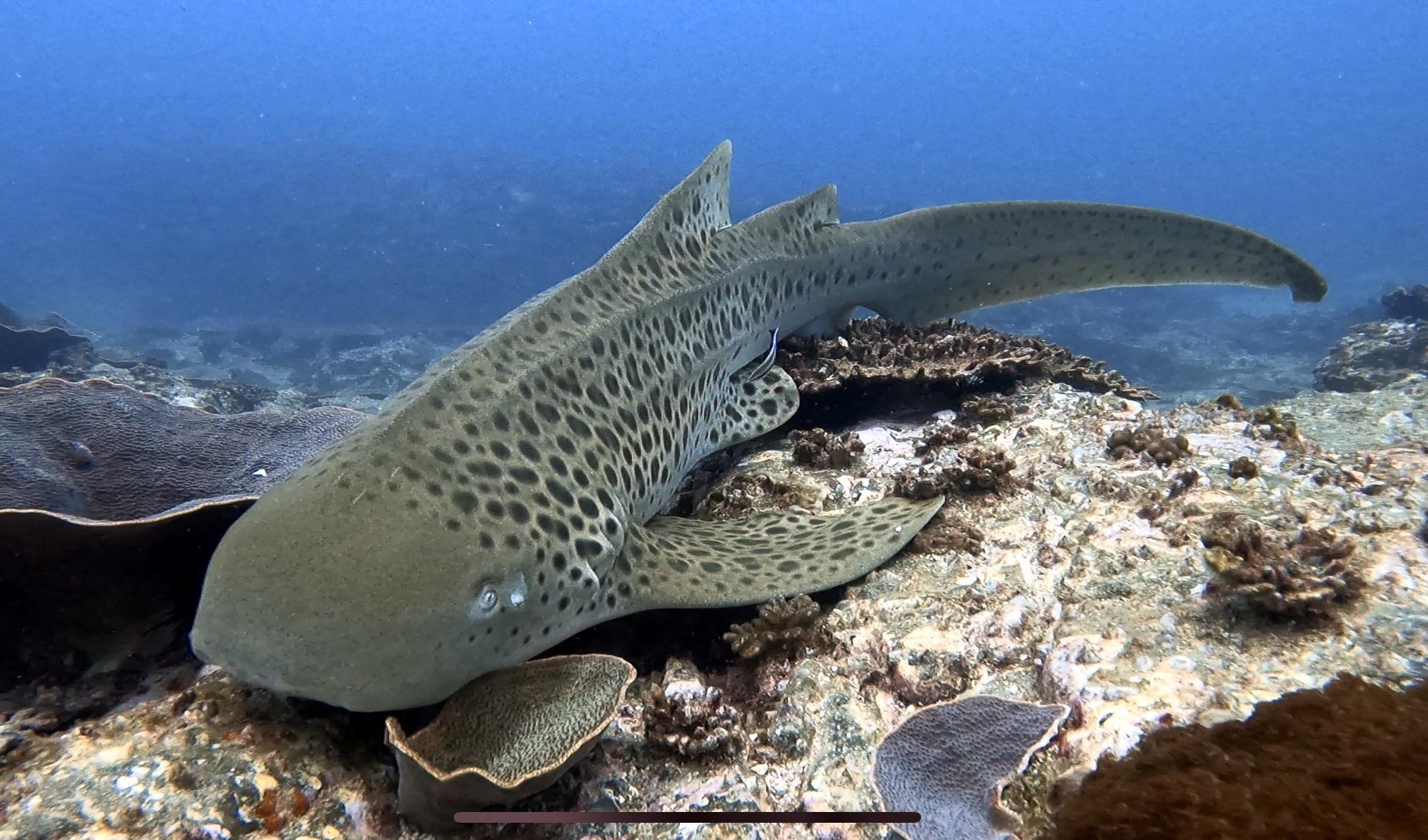
Midway round the circuit a sand chute splits the reef. Look left into the shade of a cleft where wobbegong sharks coil like patterned rugs. Look right across the sand patch where mado hover in tight formation, twitching every time a silver tailor sweeps past. Crawl forward with the swell and you meet the southern tip, an incline that rises until the rock almost breaks the surface. On calm afternoons the late sun turns the shallows into a gold and turquoise kaleidoscope. Hover there for your safety stop, breathing out slowly as schools of silver drummer drift through shafts of sunlight.
### Underwater terrain
Patch’s Reef is the stub of an ancient headland isolated by shifting sand. The seaward face steps down in terraces, each edged by a clear sand lane that funnels plankton rich water. Detached boulders lie beyond the main wall and double as cleaning stations for wrasse and the occasional eagle ray. The inner face is more eroded with rounded gullies perfect for finding macro subjects like nudibranchs and pipefish. Because the highest point sits just two metres below the surface, wave action scours the rock clean and promotes vivid algal growth that photographers love.
### Marine life to expect
* **Temperate residents** such as morwong, giant cuttlefish and eastern fiddler rays * **Tropical drifters** including Moorish idols, painted crayfish and anemonefish that ride the East Australian Current south each summer * **Seasonal pelagics** Spanish mackerel in late summer, bonito and kingfish during bait ball events * **Macro gems** blue lined dorids, decorator crabs and shy pipefish hiding among weed and seagrass Patch’s Reef sits inside a Habitat Protection Zone of the Solitary Islands Marine Park where collecting shells or spearfishing is not permitted ([NSW Department of Primary Industries][1]).
### Conditions by season
Water temperature averages twenty six degrees Celsius in February then cools to around eighteen degrees in July ([SeaTemperature.info][2]). Visibility swings from two metres after heavy southerly swell to fifteen metres when the sea lies flat for several days. Mornings on a rising tide give the clearest water. Afternoon dives reward photographers with warm light that paints the boulders amber.
### Dive plan
1. **Entry** Wade out on a gentle swell at mid tide and swim on a seventy degree bearing to the pole. 2. **Descent** Drop on the western wall where depth is about five metres. 3. **Tour** Keep the bommie on your right shoulder to circle clockwise. Pause at the sand chute to scan for turtles and rays. 4. **Return** Complete one loop in forty minutes at a relaxed pace then ascend on the inner shallows for a leisurely safety stop. 5. **Exit** Follow your bubbles across the gutter to the beach taking care if the outgoing rip strengthens.
A simple reef hook is handy when photographing nudibranchs in surge. On summer afternoons tiny plankton can sting so a thin hood or reef rashie improves comfort. Night dives here are excellent; carry a torch with red focus light and watch squid hunt shrimps against the rock.
### Safety and etiquette
Though shallow the site is exposed to rip currents that run north after large swell. Check the forecast and choose a mid tide window when rip strength eases. Surge above the two metre plateau can catch unwary photographers so remain neutrally buoyant and avoid grabbing the living gorgonians. Remember that this is a marine park zone: enjoy the wildlife with eyes not hands.
### Surface interval ideas
Take the stepped trail up Woolgoolga Headland for sweeping views and reliable winter whale sightings ([justbeyourselfblog.com][3]). Grab a flat white on Beach Street or explore the exposed ribs of the barquentine Buster that ground ashore south of the surf club in 1893 when the tide is low. The local Sikh Heritage Museum in town offers a thoughtful look at the region’s multicultural history if the afternoon sea breeze chops up the water.
### Final thoughts
Patch’s Reef proves that a dive does not need great depth or remote access to deliver real magic. Its easy reach, forgiving profile and vivid life make it a classroom for new divers and a meditation space for the experienced. Pack a camera, fin lightly over the bommie and let the colour soaked shallows leave their echo long after you step back onto the sand.
---
*Planning a NSW dive trip? See our [region-by-region guide to the best places to dive in NSW](https://www.scubadownunder.com/blog/best-places-to-dive-in-nsw) for the full overview of dive sites across the state.*