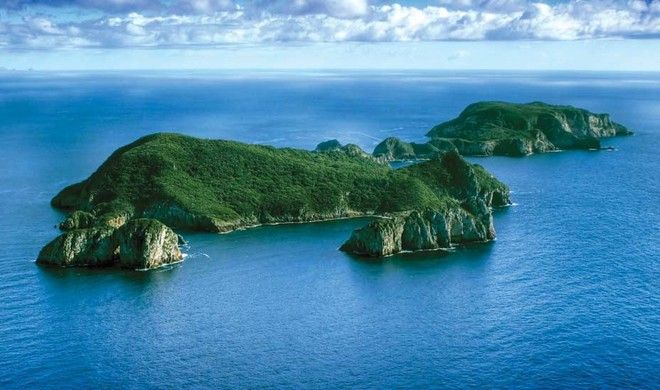
Poor Knights Islands
Northland, NZ
Subtropical Paradise Poor Knights Island
By ScubaDownUnder Team · 2025-06-14
Introduction
The Poor Knights Islands, located 23 kilometres off the Tutukaka Coast in New Zealand's Northland, are often described as one of Jacques Cousteau's top ten dive sites in the world. This volcanic island group is a protected marine reserve and nature sanctuary, renowned for its remarkable underwater topography, visibility, and biodiversity. With dramatic drop-offs, archways, caves, and tunnels, it delivers both scenic splendour and surprising encounters. The water is cooler than tropical destinations, but the marine life is every bit as rich, and arguably more unique.
Dive Conditions
Diving at the Poor Knights is possible year-round, but conditions vary with the seasons. Water temperatures range from 15°C in winter to 22°C in summer. Visibility regularly exceeds 20 metres and can reach 30-plus in the right conditions. The best time to dive is between November and April when the subtropical currents from the East Auckland Current bring in warmer water and pelagic visitors.
Divers can expect surge in exposed areas and occasional current around points and swim-throughs, but conditions are usually manageable for all skill levels. Most dive operators cater for Open Water divers and above, though some sites do require Advanced certification due to depth or complexity.
Marine Life
The islands are home to an exceptional mix of temperate and subtropical species. Large schools of trevally, snapper, and pink maomao swirl around divers, while stingrays and short-tail rays cruise through archways like the famous Riko Riko Cave, one of the world's largest sea caves.
Nudibranchs, scorpionfish, and moray eels decorate the rocky terrain, while macro photographers will enjoy hunting for pipefish and triplefins in the kelp forests. During summer months, sightings of kingfish, marlin, or even occasional turtles and whale sharks are possible. The marine reserve status ensures minimal fishing pressure and abundant life at nearly every site.
Top Dive Sites
Riko Riko Cave
This immense cavern is a highlight of any visit. At over 130 metres long, 80 metres wide and 35 metres high, it's the world's largest sea cave by volume. The acoustics are eerie, the entrance is grand, and rays often shelter within. A shallow, easy dive with high impact.
Blue Maomao Arch
Arguably the most iconic dive at Poor Knights. Divers pass beneath a natural arch teeming with the namesake blue maomao. Light filters through from above, giving the scene a cathedral-like atmosphere. Schooling fish, soft coral, and sponge-covered walls create a dreamlike setting.
Middle Arch and Northern Arch
These deeper dives are best for more experienced divers. They feature sheer walls, large pelagics, and vertical terrain that makes you feel like you're flying. Expect rays, bronze whalers, and occasional schools of kingfish passing through.
Trevor's Rocks
Named after a local diver, this site features ledges, overhangs and swim-throughs filled with crayfish, demoiselles, and delicate sponge life. Great for photographers.
Topography and Volcanic Features
The underwater scenery is shaped by ancient volcanic activity. Expect lava tubes, pinnacles, drop-offs, and caves, all sculpted by a long-extinct caldera. Kelp forests drape the shallows, giving way to sponge gardens, anemones, and black coral in deeper sections. The contrast between the sculpted rock and swarming life makes every dive site feel different.
Logistics
Getting There
Access is via boat from Tutukaka, which is about a three-hour drive north of Auckland. Several dive operators run daily trips from the marina, with full-day charters offering two-tank dives and lunch. Popular operators include Dive! Tutukaka and Yukon Dive. Boats typically depart around 8am and return by mid-afternoon.
Gear and Suiting Up
Due to the cool water, a 5–7mm wetsuit is recommended, or drysuits for winter diving. Most dive shops offer full gear rental. Nitrox is available on request. A torch is useful for caves and arches, and a camera is a must.
Certification and Safety
Poor Knights is suitable for divers of all levels, but some sites are best suited to those with Advanced Open Water or Deep Diver training. All dives are guided, and safety standards are high. Marine reserve rules are strictly enforced, no touching, no taking.
Beyond the Dive
Tutukaka itself is a relaxed coastal town with cafés, motels, and campsites. It's also the gateway to other outdoor activities like kayaking, coastal walks, and fishing charters (in areas outside the marine reserve). For non-divers, snorkelling tours are available and offer a remarkable look at the underwater world, especially in the shallows around Blue Maomao Arch.
Conservation and Respect
As a fully protected marine reserve, the Poor Knights Islands are a sanctuary both above and below water. No landing on the islands is permitted to protect native birds and plants. Underwater, nothing is to be removed or disturbed. This protection has led to a thriving ecosystem and sets an example of marine conservation done well. Divers often leave the site with a deeper appreciation for what ocean protection can achieve.
Verdict
The Poor Knights Islands offer a truly unforgettable diving experience. The combination of unique geography, reliable visibility, abundant life, and excellent infrastructure makes it one of the world's premier temperate dive destinations. It is not tropical, but it is vivid. Not remote, but untouched. Every dive here feels like a privilege.
Sources: - Department of Conservation - Poor Knights Islands Marine Reserve - Dive! Tutukaka - Yukon Dive
Visibility at Poor Knights Islands
Visibility at Poor Knights Islands typically ranges from 15 to 40 metres, though it shifts with swell, wind and recent rainfall. November-May generally offers the best conditions for diving here.