Yorke Peninsula, SA
By ScubaDownUnder Team · 2026-01-09
The jetty reaches out from the low cliff line in a long pale arc, its concrete bulk incongruous against the seagrass flats and the pale limestone shore. Divers ready gear in the quiet of early morning with the working port behind them silent on a weekend, only the metallic tick of cooling steel and the slap of small waves against concrete. Beneath the water, the first pylon drops away into green light, encrusted in fist-thick sponges, tunicates, and sea tulips that bend in gentle flow. A conger eel watches from a fissure between concrete blocks. Somewhere along the structure, at 10 metres depth, a leafy sea dragon drifts where the sea dragon searchers always say it should be, and sometimes is.
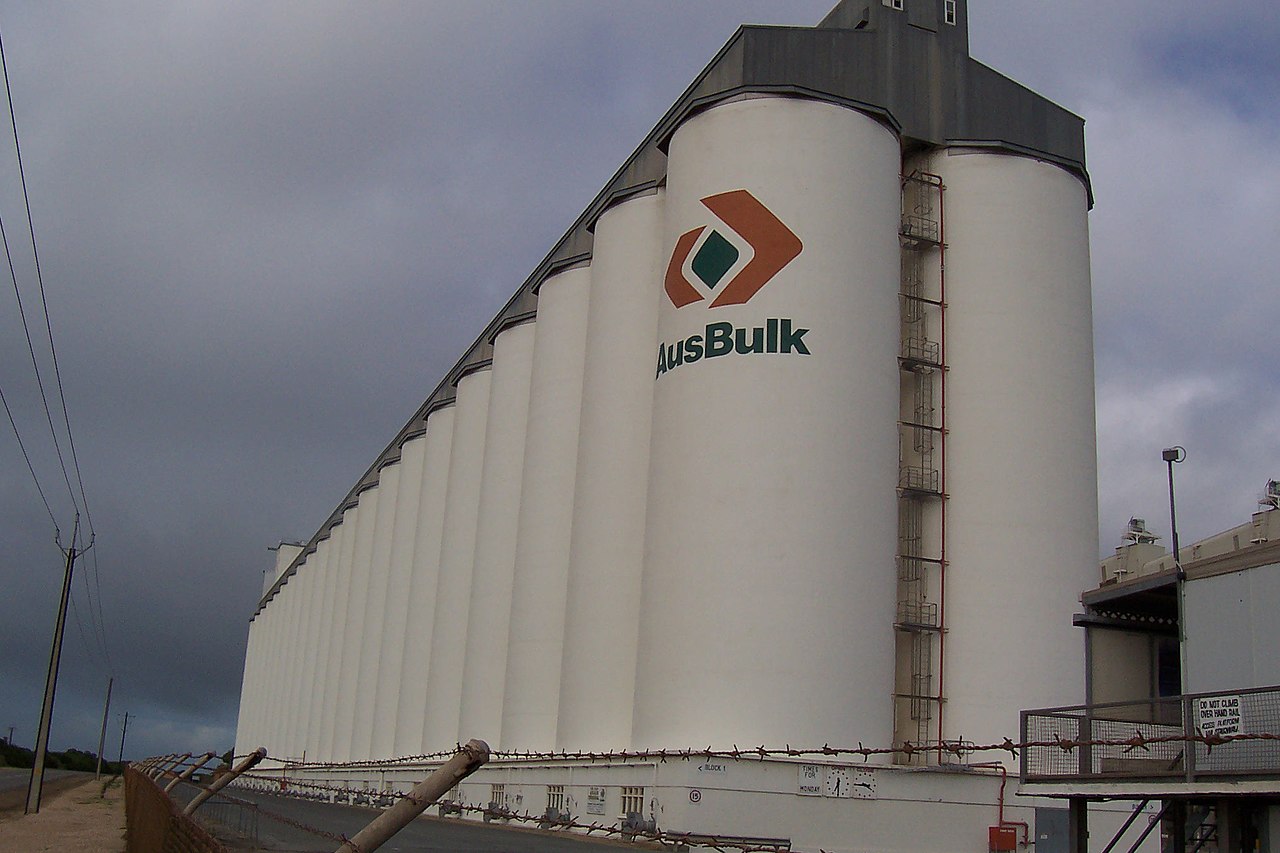
Port Giles sits on the mid-eastern Yorke Peninsula, approximately 215 kilometres from Adelaide, and is one of two working grain export facilities on the peninsula's eastern shore. The Narungga people are the traditional owners of the country, and the eastern coast of the peninsula preserves extensive archaeological evidence of their occupation in shell middens and campsites. The port was built in the late 1960s to consolidate grain shipments from the surrounding wheat belt, replacing a network of smaller jetties at Stansbury, Edithburgh, and Port Vincent that had handled the trade for a century. The structure is long, industrial, and built for bulk carriers, which gives it a scale and depth profile that sets it apart from the classic timber jetties elsewhere on the peninsula. Ships calling for grain arrive infrequently, typically only during the grain handling season from December through April, and the jetty is quiet for extended periods outside those months. Below the waterline, the same long residence time has produced an invertebrate community of exceptional density, and the structure is regularly cited among the better jetty dives in South Australia by divers who have worked the full peninsula circuit.
The jetty runs approximately 600 metres from shore into Gulf St Vincent, with pylons spaced widely for the passage of bulk carriers. The access steps are at the shore end, which means the dive begins in about 2 metres of water and progresses outward along the structure. Depth increases steadily to around 10 to 14 metres at the outer pylons, with the deepest sections accessible only on longer dives with careful gas management. The substrate below is sand and shell grit with patches of seagrass extending from the shore, giving way to cleaner sand at depth. The concrete pylons are covered in dense sponge growth, ascidian colonies, and sea tulips at the deeper sections where light levels drop and filter-feeding communities thrive. Red rock cod hold station in the shadows, and schools of sweep and trevally cruise the open water between pylons.
Weedy sea dragons are a consistent presence in the seagrass zone closer to shore, reliably found along the inner two thirds of the jetty. Courtship and breeding behaviour peaks in late spring from October through December, when males carry their red egg clusters and pairs can occasionally be observed in synchronised drifting. Leafy sea dragons are sighted at the outer pylons with enough frequency to make a dedicated search worthwhile, their ribbon-like leaf appendages drifting in the slight current with an unnerving naturalism that makes identification difficult until movement separates the animal from the surrounding weed. Giant cuttlefish patrol the mid-water year-round, and conger eels, a signature species at Port Giles found rarely at other peninsula jetties, occupy the spaces between the concrete pylon footings and can be observed at close range without apparent distress. The eels extend their heads and forebodies into open water, testing the current and watching for passing fish, and their presence in these numbers is one of the reasons Port Giles draws divers specifically. Nudibranch diversity on the sponge community is exceptional through the cooler months from April to October, with dendrodoris, chromodoris, and the distinctive verconia species recorded regularly. Short-headed seahorses sit on the seagrass at the shallower end. After dark, pyjama squid and southern calamari appear in the open sand channels.
Visibility at Port Giles runs between 4 and 14 metres, with 8 to 12 metres typical on settled days. The site is exposed to easterly weather and visibility degrades quickly after easterly wind events. Southerly weather has less impact, filtered by the peninsula's landmass. Water temperature runs 13 to 21 degrees C across the year, with winter lows making a 7mm wetsuit the practical minimum for comfort on extended dives. Current is generally light but can become noticeable on spring tides, aiding progress in one direction and making the return swim more deliberate. The jetty's length is the primary dive-planning consideration. Reaching the outer pylons and returning to the steps on a single tank at shallow depth is realistic, but any attempt at the deeper outer section requires conservative gas management. Best conditions run April through October when easterlies are rare and the temperate invertebrate community is at peak activity.
Repeat divers come to Port Giles for the density of life rather than any single headline species. The pylon sponge community at 8 to 12 metres depth holds detail at macro scale that rewards entire dives. Conger eels, uncommon elsewhere on the peninsula, are a specific draw. Nudibranch searchers find species variety that rivals any site in the state. The deeper sand channels at the outer end occasionally produce sightings of southern eagle rays and the occasional shovelnose ray. For those willing to carry a torch during daylight, the undersides of the concrete cross-pieces hide feather stars and brittle stars in colonies that remain hidden to ambient-light diving.
The site's history as a commercial facility also gives it a distinctive character above the waterline. Grain dust carries in the air during loading operations, and the industrial scale of the infrastructure imposes a particular sense of place. For divers accustomed to the recreational aesthetic of timber jetties at Edithburgh or Port Hughes, the concrete-and-steel of Port Giles requires mental adjustment. Once underwater, however, the character changes entirely. The concrete pylons, softened by decades of sponge growth, feel less industrial than they appear from the surface, and the dense marine community quickly displaces any residual impression of utility over natural environment.
The combination of deeper pylons and cleaner gulf water at this distance from the northern estuary zones gives Port Giles a visual quality that the more turbid upper gulf sites cannot reproduce. Ambient-light photography at 8 to 10 metres produces images that do not require artificial illumination to show the sponge colours at full saturation. The broader site, considered end-to-end, covers something closer to a reef dive than a typical jetty experience, with depth, structure, and species variety that rewards multi-dive exploration across a full day.
Port Giles earns its reputation among peninsula regulars for what it offers beneath its utilitarian surface. The concrete aesthetic and the working-port context belong to the world above water. Below it, this is among the richest pylon dives on the South Australian coast, and the divers who return most often are those who have learned to read its length in sections, to plan for the conditions, and to move slowly through the sponge gardens where the leafy sea dragon, when it appears, makes every other consideration evaporate.
## Site Access and Logistics
Port Giles is approximately 215 kilometres from Adelaide via the Yorke Peninsula Highway and Yorketown. Entry is from the steps at the shore end of the jetty, accessed from a small car park adjacent to the port road. The jetty is a working facility operated by Flinders Ports; confirm no scheduled vessel movements before diving, either by contacting the Port Giles facility directly or checking port schedules. Diving during a grain carrier mooring or departure is not acceptable. Open Water certification is the practical minimum, with Advanced Open Water recommended for the deeper outer sections. The long swim and depth progression reward divers with sound gas management and buoyancy control. No services exist at the port itself. Yorketown, approximately 20 kilometres west, offers the nearest supplies and basic accommodation. Tank fills are available from Maitland or Kadina. The Dive Shack in Adelaide (https://thediveshack.com.au) operates mobile dive services to Yorke Peninsula sites and can coordinate Port Giles diving with appropriate access arrangements. The site combines naturally with Edithburgh or Point Turton for a multi-site peninsula itinerary.
## Sources
- The Dive Shack, Local Dive Sites Yorke Peninsula, https://thediveshack.com.au/dive-sites/local-dive-sites-yorke-peninsula/ - Scuba Divers Federation of South Australia, Yorke Peninsula, https://sdfsa.net/sa-dive-sites/yorke-peninsula/ - Visit Yorke Peninsula, Diving and Snorkelling, https://www.visityorkepeninsula.com.au/diving-and-snorkeling - Divernet, South Australia Dive Guide, https://divernet.com/scuba-diving/ultimate-divers-guide/south-australia-diving-guide-leafy-seadragons-jetties-cuttlefish-great-whites/ - Atlas of Living Australia, Leafy sea dragon (Phycodurus eques) distribution