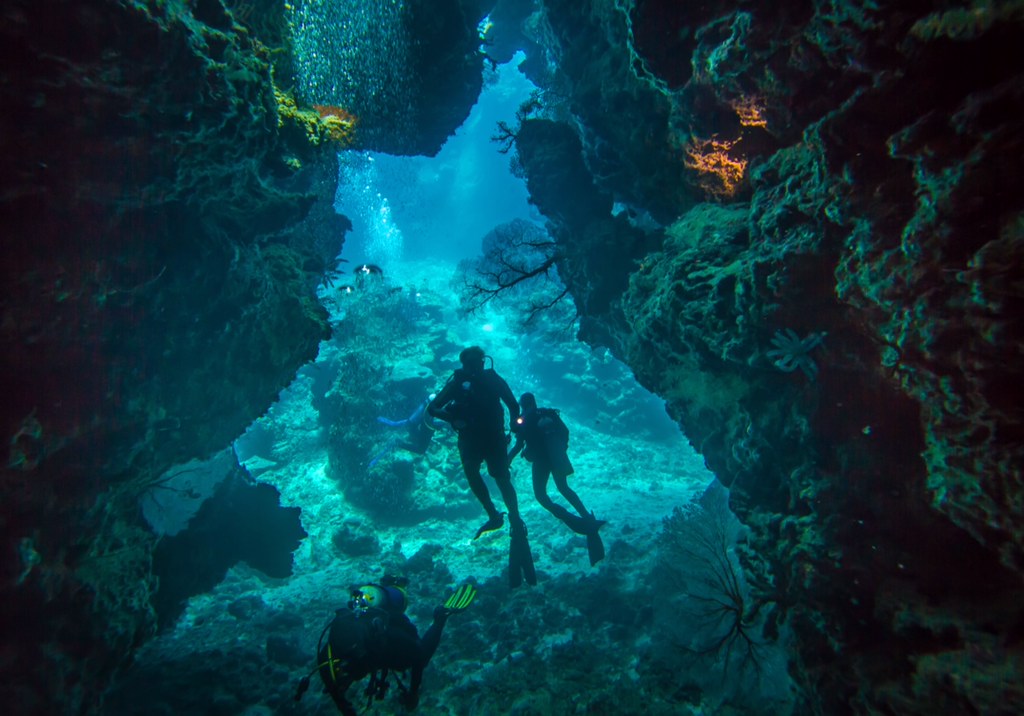
Rowley Shoals
Offshore Broome, WA
Rowley Shoals Dive Guide: Exploring Western Australia’s Remote Coral Cathedral
By ScubaDownUnder Team · 2025-07-16
Location and Access
The atolls lie roughly 300 kilometres west of Broome. Reaching them means an overnight cruise on an expedition style liveaboard, most commonly between September and December when weather windows are calmest. Fewer than two hundred divers visit each year, so securing a berth often requires booking at least a season in advance. Once on site, tenders ferry small groups through narrow passes into the protected lagoons, while the mothership remains on moorings outside the reef. Explore Parks Scuba Diver Life
The Atolls at a Glance
From south west to north east the reefs are Imperieuse, Clerke and Mermaid. Imperieuse carries the only sandy cay and a heritage listed lighthouse, Clerke offers the widest lagoon, and Mermaid is a fully submerged ring famous for sheer drop offs. Each atoll measures about ten by five kilometres and encloses a shallow turquoise lagoon ringed by living coral ramparts that rise almost vertically from depths exceeding three hundred metres.
Dive Highlights
Signature dives include a ripping drift through Clerke Passage where grey reef sharks cruise in blue water, and The Aquarium inside Imperieuse where bommies bristle with anthias and giant clams. On Mermaid’s outer wall the site known as Cod Hole shelters potato cod the size of small barrels. Night dives over sandy flats reveal Spanish dancers, flamboyant cuttlefish and the eerie green flash of bioluminescent plankton. Time your trip for late October and you may witness the annual mass coral spawning, an underwater snowstorm of life. Depths range from snorkel friendly five metres in the lagoons to forty metres on outer ledges, ensuring variety for every certification.
Marine Life
Biodiversity rivals many far larger reef systems: surveys record more than two hundred coral species and seven hundred fish species, from swirling sailfin fusiliers to courting humphead wrasse. Pelagic visitors such as sailfish, wahoo and dogtooth tuna patrol the blue, while inside the lagoons you may drift past resting green turtles or startle a shy blotched fantail ray half buried in sand. Reef sharks are ever present, and migrating humpback whales often breach near the anchorage. Yet even this remote refuge is not immune to climate stress; recent heatwaves triggered bleaching across sections of the shoals, underscoring their fragility.
Conditions and Best Time to Dive
Visibility regularly exceeds thirty metres and can reach a luminous sixty on calm days. Water temperatures hover between twenty six and thirty Celsius. Currents are the engine of life here, surging strongly on spring tides and timing dives around slack water is essential. The short September to December season coincides with settled seas, minimal cyclone risk and the spectacle of coral spawning. Outside these months weather and swell render the shoals inaccessible.
Skill Level and Safety
Although the lagoons offer benign conditions suitable for confident beginners, most dives explore outer reef faces and swift passes best tackled by Advanced Open Water divers with drift experience. Depths can drop abruptly, so buoyancy control and a surface marker buoy are mandatory. Park regulations prohibit anchoring; operators use fixed moorings and enforce strict briefings to protect divers and delicate
Conservation Notes
The Western Australian Government manages Rowley Shoals Marine Park while the Commonwealth protects adjacent Mermaid Reef Marine Park. Visitor numbers are capped, fishing is limited to designated zones, and all vessels must use permanent moorings. Scientists monitor coral health closely after recent bleaching, making every diver an ambassador for low impact practices such as reef safe sunscreen and meticulous buoyancy.
Logistics and Tips
Liveaboards depart Broome on eight to ten night itineraries that include several days of four dive schedules at each atoll. Pack reef safe zinc, a five millimetre suit for prolonged bottom time, and preventive seasickness medication for the open sea crossing. Most boats offer nitrox, cameras are well catered for, and evening presentations by onboard marine biologists deepen appreciation of the ecosystem. As space is limited, early reservations and travel insurance covering remote evacuation are strongly advised.
Final Thoughts
Rowley Shoals rewards the determined traveller with a dive experience that feels genuinely frontier. Few other places marry cathedral like coral architecture, dazzling visibility and the solitude that comes when the nearest landfall is over one hundred nautical miles away. If you crave reefs that still echo with the vibrancy of untouched ecosystems, the shoals deserve a place at the top of your wish list
Visibility at Rowley Shoals
Visibility at Rowley Shoals typically ranges from 30 to 60 metres, though it shifts with swell, wind and recent rainfall. October-December generally offers the best conditions for diving here.
Right now: approximately 12 m, 98% confidence (updated 10:34 AEDT).
View the live forecast and 7-day outlook for Rowley Shoals →