Sleaford Mere
Lincoln NP, SA
Sleaford Mere Dive Site Guide | Lincoln National Park, SA, Australia
By ScubaDownUnder Team · 2026-02-23
Pelicans drift in slow formation above the surface, their reflections fractured by a breath of wind, and beneath the waterline the light filters through clear, tea-coloured water onto a bottom of fine pale sand and scattered weed. A mullet moves along the edge of a shallow channel, turns, and disappears into a patch of denser weed. There is no surge, no current, no swell, and the surface at forty metres distance reflects like a pane of tinted glass. Sleaford Mere offers the diver an experience that no marine site can replicate: a coastal salt lake in a national park, where the only sound is bird call and the only diving company is the resident freshwater-influenced aquatic community that has found a niche in one of South Australia's stranger bodies of water.
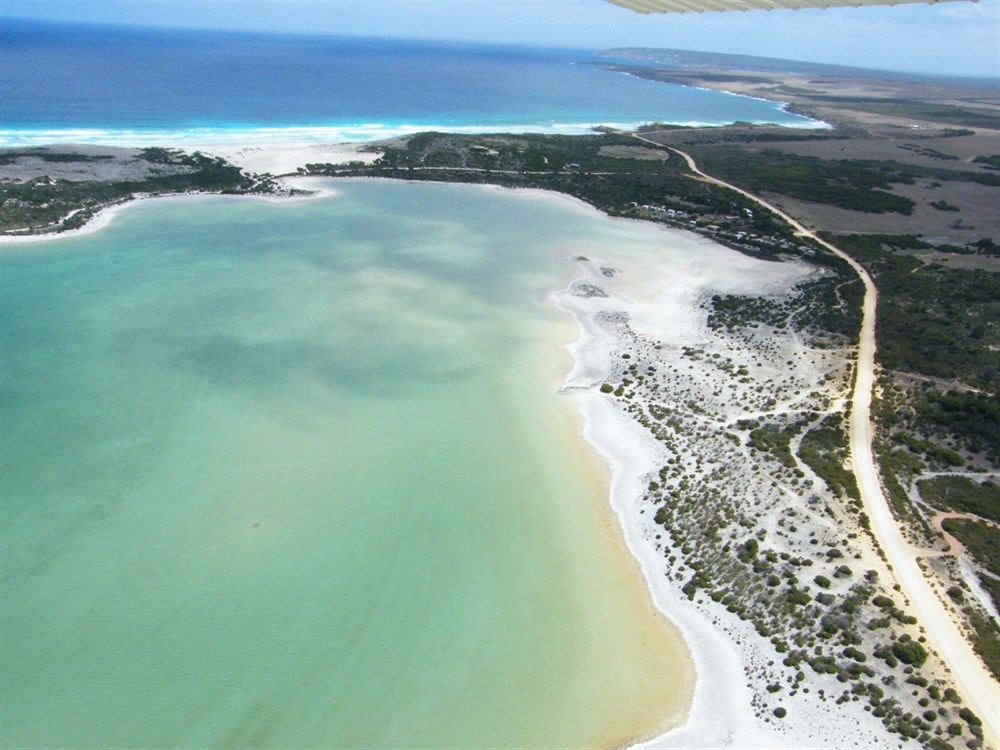
Sleaford Mere sits within Lincoln National Park on the southern Eyre Peninsula, a permanent saline lake on the Jussieu Peninsula approximately 15 kilometres southwest of Port Lincoln. The lake was named by the British explorer Matthew Flinders in February 1802 during his survey of the South Australian coast. The waterbody has been part of the Sleaford Mere Conservation Park since 1969 and was listed as a nationally important wetland in 2005, recognition of its significance as a breeding and feeding habitat for waterbird populations that depend on the peninsula's coastal wetland network. The lake's water is hypersaline, with salinity significantly higher than seawater, a consequence of evaporation across the shallow basin and limited inflow. This produces a chemistry and aquatic community unlike anything found in the surrounding marine environments.
The dive environment is fundamentally different from the adjacent coastal reefs. The water is shallow throughout, with a maximum depth of five to six metres across the majority of the lake, and the bottom is fine pale sand and sediment with patches of filamentous algae and occasional weed beds. There are no rocks, no reef structure, no kelp forest, and no vertical relief beyond the gentle slope of the lake bed. Visibility on a calm day is exceptional by freshwater standards; in settled conditions with no wind disturbance, five to twenty metres of clarity is achievable, with the clearer range produced when the lake sediment is fully settled. The sensory experience is one of still water, soft light filtering through the tannin-coloured water column, and the absence of any sound beyond a diver's own breathing, an environment genuinely meditative in a way that no open-ocean site can be.
The marine life community is modest, and divers approaching the site expecting marine density will leave disappointed. The hypersaline chemistry and closed basin environment support a specialised community rather than a diverse one. Mullet are present in schooling numbers and are the most visible fish, moving through the shallower sections in tight groups. Small bream use the weed patches as cover. Brine shrimp and other salt-tolerant invertebrates form part of the food web that supports the lake's bird population above. The waterbirds themselves, pelicans, black swans, cormorants, terns, and various shorebirds working the margins, provide the majority of the wildlife interest during a visit, with their activity visible both from the surface and, at the lake's edges, from within the water. For birdwatching divers, the combination of underwater observation and above-surface wildlife is unusual and productive.
Conditions at Sleaford Mere are the most stable of any South Australian dive site. There is no swell, no tidal current, and the lake's protected inland position means that even strong coastal winds produce only modest surface chop across the shallow water. Water temperature tracks a seasonal range of fourteen to twenty-one degrees Celsius, consistent with the ambient air temperature. A five millimetre wetsuit is appropriate year round. The lake's hypersaline chemistry is harder on equipment than seawater; rinse gear thoroughly after diving, and regulators exposed to the water benefit from additional servicing intervals. Access to the mere requires navigation of unsealed tracks within the national park, and these tracks can become difficult after heavy rain. A four-wheel drive is strongly recommended, and checking track conditions with the national park office before visiting is essential.
Repeat visitors develop a different appreciation for the site. The lake is a place to dive when the rest of the Eyre Peninsula is closed out by southern swell, when a day of exposed coastal diving has been too demanding, or when the unusual character of a brackish-influenced freshwater environment offers relief from the salt and surge of the marine sites. Underwater photographers find the still, clear water produces images with a quality of light unlike anything possible on the coast. Divers based at Port Lincoln for extended trips use the mere as a rest-day dive, a gentle afternoon in the lake that permits decompression from the more demanding offshore programmes while still providing water time.
Sleaford Mere is a dive for divers who have moved past the need for drama. It offers silence, clarity, birdlife, and the strange experience of diving a lake where the water is saltier than the sea. Divers who visit with the right expectations come away valuing what the site uniquely offers: a reminder that diving is not always about the biggest animal or the deepest wall, and that the quieter waters have their own worth.
Site Access and Logistics
Lincoln National Park lies approximately 35 kilometres south of Port Lincoln, accessed via Proper Bay Road and the park entrance. A park entry fee applies; passes are available at the park entrance or online through the National Parks SA website. Sleaford Mere is reached from within the park via unsealed tracks; a four-wheel drive is strongly recommended and essential after rain. No dedicated dive infrastructure exists at the lake itself. Entry is from the lake shore directly, without steps or ramp. Facilities within the national park include camping at Sleaford Bay campsite and basic toilet facilities at designated sites; services for food, fuel, and tank fills are in Port Lincoln.
Open Water certification is sufficient for the shallow depth and calm conditions. Rinse equipment thoroughly after diving given the elevated salinity. Tank fills in Port Lincoln are available through Port Lincoln dive services; check operator hours before travel. Adventure Bay Charters (adventurebaycharters.com.au) and other Port Lincoln operators provide boat-based diving programs on the exposed coast that can be combined with a rest-day visit to the mere. Respect the conservation park regulations, do not disturb birdlife, and pack all rubbish out.
Sources
- National Parks SA, Lincoln National Park - National Parks SA, Sleaford Mere Conservation Park - South Australian Tourism Commission, Eyre Peninsula - Australian Government, Directory of Important Wetlands in Australia
Visibility at Sleaford Mere
Visibility at Sleaford Mere typically ranges from 2 to 4 metres, though it shifts with swell, wind and recent rainfall. Summer generally offers the best conditions for diving here.
Right now: approximately 8 m, 88% confidence (updated 10:24 AEDT).
View the live forecast and 7-day outlook for Sleaford Mere →