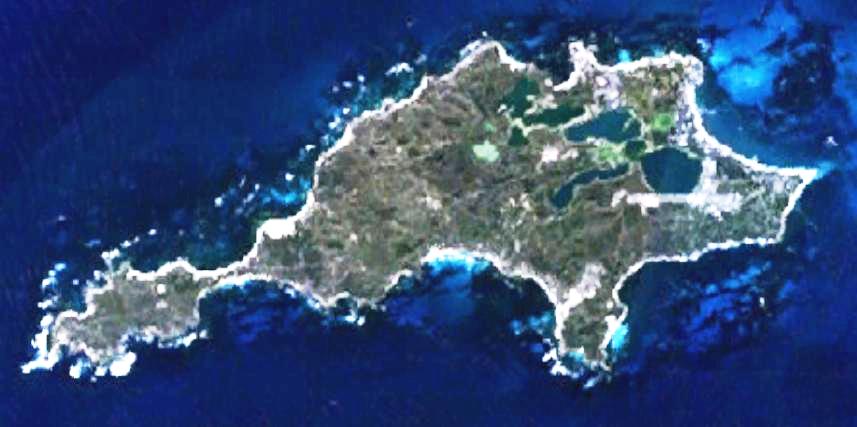
SS Macedon Wreck
Rottnest Island, WA
SS Macedon Wreck: Rottnest Dive Guide
By ScubaDownUnder Team · 2026-06-05
# SS Macedon [Wreck](https://scubadownunder.com/blog/best-wreck-dives-in-australia) Dive Site Guide
The Macedon's boiler stands almost upright on a limestone bottom, encrusted with sponge, draped in weed, and surrounded by a debris field of twisted hull plating, machinery fragments, and the original anchor lying half-buried in the sand. The wreck sits in 5 to 12 metres of water on Rottnest Island's northern reef and is one of [Western Australia](https://scubadownunder.com/blog/best-places-to-dive-in-western-australia)'s most accessible historic wreck dives, suitable for divers from the Open Water certification level upwards. Wrecked in 1883 during a coastal voyage in heavy weather, the 64-metre iron-hulled steamship broke up over the subsequent decades and now sits as a scattered but recognisable structure that supports a dense temperate fish community and a substantial encrusting invertebrate growth built over more than a century.
The Macedon was a passenger and cargo steamship operating between Fremantle, the Goldfields ports, and Singapore in the 1870s and 1880s. Owned by the Adelaide Steamship Company, the vessel struck the western end of Rottnest's reef on 18 August 1883 in heavy weather and dragged onto the reef where she broke up rapidly. All passengers and crew survived. The Whadjuk Noongar people are the traditional custodians of Rottnest Island (Wadjemup), which served as an Aboriginal prison from 1838 to 1931 and is today administered by the Rottnest Island Authority. The Macedon wreck is registered under the Western Australian Maritime Archaeology Act and the wreck site (along with several other Rottnest shipwrecks) carries heritage protection. The wreck has been documented progressively by the WA Museum maritime archaeology team across multiple campaigns since the 1970s.
The dive profile is straightforward and short. Boat charter from Fremantle or pickup from Rottnest mooring drops divers onto the wreck site marked by a mooring buoy. Descent to the boiler at 8 metres provides immediate orientation, and the surrounding debris field can be circumnavigated comfortably within a 30-minute dive at recreational air consumption rates. The boiler is the most photogenic structural feature, with bivalves and sponge encrustation patterns visible at close range and small fish populations sheltering inside the firetubes. The anchor sits perhaps 20 metres east of the boiler partly buried in sand, and twisted iron hull plating runs in a rough north-south line indicating the original orientation of the ship as she broke up. The site is shallow enough that natural light penetrates strongly to the bottom, and visibility is rarely the limiting factor on the diving experience.
Marine life on the wreck is the standard Rottnest temperate assemblage, denser than on adjacent natural reef because the structural complexity provides additional shelter. Dense schools of sweep and old wives circle the boiler and the larger hull fragments, parting around divers and reforming behind. Western blue groper, the resident large fish of Rottnest's reefs, work the wreck systematically and approach divers without nervousness. Breaksea cod sit motionless under overhangs in the debris field. Octopus inhabit the boiler firetubes and the smaller cavities in the hull plating. Encrusting sponge cover is substantial after 140 years of growth, with orange and yellow finger sponges, ascidians, and zoanthid colonies providing colour that the cooler water might otherwise lack. Tropical strays from the Leeuwin Current appear seasonally on the wreck, particularly through summer and autumn, with the occasional moorish idol or trumpetfish encountered alongside the temperate residents. Port jackson sharks rest under the larger hull fragments through winter.
Visibility runs 8 to 18 metres across the year, with the cleanest water in the December-to-April summer and autumn window. Water temperature ranges from 18°C in late winter to 23°C in late summer, supporting a 5mm full suit comfortably with a 7mm option for divers planning longer bottom times across multiple dives. The wreck sits in a relatively sheltered position on Rottnest's northern coast but is exposed to north-westerly weather systems, which close the site for boat operations and produce surge at the wreck itself when they pass. Current is minimal in normal conditions. The site's combination of shallow depth, clear water, and structural variety makes it a popular choice for second dives in the day after deeper morning sites on Rottnest's outer reef, and a routine inclusion in introductory wreck-diver training programmes run from Fremantle dive operators.
The Macedon rewards divers prepared to look closely. The boiler's firetubes hold small subjects worth careful approach for macro photographers. The orientation of the debris field tells the story of how the ship broke up across the decades following the wreck. The natural-light shallow depth allows wide-angle work without strobes for the structural photography. For divers training toward wreck specialisations or building their dive log toward Advanced Open Water, the Macedon is one of WA's best entry-level historic wreck experiences, with the substance of a wreck dive at a depth that keeps the experience accessible.
The Macedon's place in Rottnest's dive scene is established. Other Rottnest wrecks are deeper or more broken up. This one sits in the right depth band, holds the right marine community, and tells enough of its own history to repay the visit. Most divers' first Rottnest wreck dive ends up being the Macedon, and many return to it.
## Site Access and Logistics
The Macedon sits on Rottnest Island's northern reef approximately 1.5 kilometres east of Geordie Bay, with the wreck site marked by a public mooring. Access is by boat charter from Fremantle (25-minute crossing to Rottnest) or by pick-up from Rottnest's main moorings if diving as part of a Rottnest day or weekend trip. The Rottnest Express ferry from Fremantle, North Fremantle, or Hillarys runs every 30 to 60 minutes through the season. Open Water certification at minimum; the wreck's shallow depth and limited current make it accessible to newly certified divers, though buoyancy control matters on the sponge-encrusted structure to avoid contact damage. Local PADI charter operators in Fremantle run dedicated Rottnest wreck and reef itineraries, with the Macedon featuring on most multi-dive day trips. Rottnest Island Authority charges a daily admission fee for visitors arriving by ferry; check current rates before booking. Accommodation on Rottnest runs from camping at the Rottnest Camping Ground to the cabin and chalet options at Geordie Bay and Thomson Bay.
## Sources
- [WA Museum, Maritime Archaeology — SS Macedon record](https://museum.wa.gov.au/maritime-archaeology-db/wrecks/macedon) - [Rottnest Island Authority — dive sites and visitor information](https://www.rottnestisland.com) - [Dive Centre Bunbury / Dolphin Scuba — Rottnest wreck diving](https://www.dolphinscuba.com.au) - [Department of Biodiversity, Conservation and Attractions WA — historic shipwrecks](https://www.dbca.wa.gov.au) - [Michael McFadyen's Scuba Diving — Rottnest dive notes](http://www.michaelmcfadyenscuba.info)
Visibility at SS Macedon Wreck
Visibility at SS Macedon Wreck typically ranges from 8 to 18 metres, though it shifts with swell, wind and recent rainfall. December to April generally offers the best conditions for diving here.
Right now: approximately 8 m, 98% confidence (updated 17:10 AEST).
View the live forecast and 7-day outlook for SS Macedon Wreck →