Flinders Reef
Moreton Island, QLD
Flinders Reef, Moreton Bay
By ScubaDownUnder Team · 2026-08-14
Most divers are surprised to learn that Brisbane has a coral reef at all. Five kilometres off the northern tip of Moreton Island, beyond the sand and the surf, Flinders Reef rises out of the sea as the only true coral reef in the region and one of the richest in the country for its latitude. Its walls and pinnacles carry more coral species than any other subtropical reef on the east coast, green turtles queue at cleaning stations in the shallows, and the whole reef is a fully protected sanctuary. For a city better known for its river and its beaches, it is an unexpectedly world-class dive.
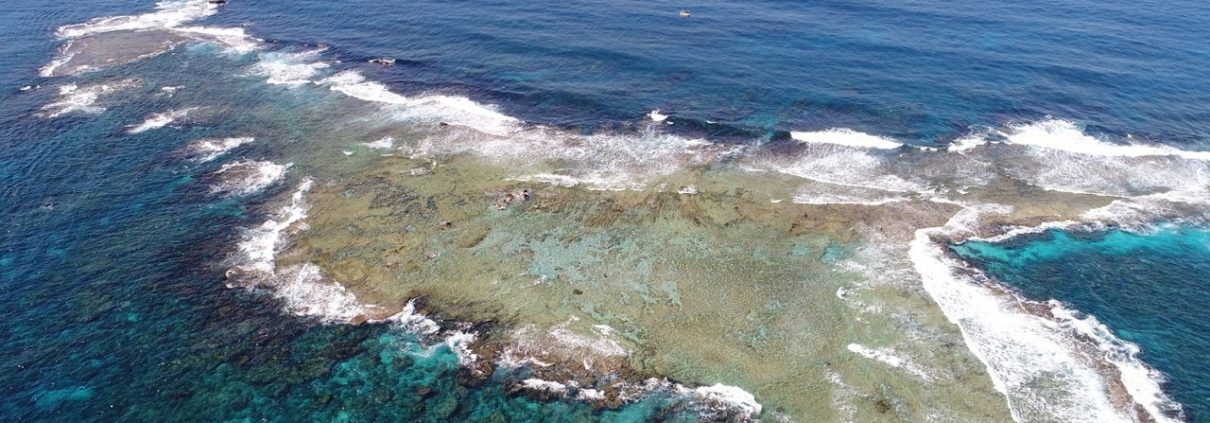
Flinders Reef sits about five kilometres north-east of Cape Moreton, an isolated patch of reef in open water at the edge of Moreton Bay, protected as a green sanctuary zone within the Moreton Bay Marine Park and monitored by the Reef Check program. Its position is the key to its richness. It lies far enough offshore to catch clean ocean water and the warm East Australian Current, yet sits at a subtropical latitude where temperate and tropical species overlap. The result is a reef with more than a hundred coral species and a fish list that reads like a meeting point of two worlds. Moorings have been placed across the site to keep anchors off the delicate hard coral.
There are several dive sites around the reef, in depths from about three to twenty-five metres, so the diving suits everyone from beginners on the shallow coral gardens to experienced divers working the deeper walls and pinnacles. The structure is varied and interesting, with walls, gutters, caves and bommies that give the reef texture and shelter, all of it carpeted in staghorn, plate and brain corals, soft corals, gorgonians and sponges. A typical dive follows the reef's contours from a mooring, working the coral and the gutters where the fish concentrate. The coral here is genuinely impressive, in excellent condition and vivid colour despite the reef's proximity to a major city, which is a tribute to its protection.
The fish life is exceptional, with more than 175 recorded reef species mingling temperate and tropical fish in a way few sites manage. The reef's signature is its turtle cleaning station, where green turtles settle onto the coral in the shallows and let surgeonfish and cleaner wrasse work them over, often allowing divers a long, close look. Wobbegong sharks lie folded under the ledges, stingrays rest on the sand, and schools of kingfish and cobia sweep through alongside cod, grouper and moray eels. Grey nurse sharks turn up over winter, and manta rays make occasional appearances, adding a chance of a big-animal encounter to a reef that already overflows with smaller life. It is a site that rewards both the fish-counter and the photographer.
As an offshore reef, Flinders enjoys cleaner water than the inshore bay, with visibility commonly running from fifteen to thirty metres and occasionally better, against the bay's more typical ten. Water temperature ranges from around 18°C in winter to 26°C in summer, so a 5mm wetsuit covers most of the year. The trade-off for the clear water is exposure: Flinders is open to swell and wind, so trips depend on the surface forecast, and the run out from the mainland is a genuine offshore passage. Current can run across the reef, particularly on the outer pinnacles, so a surface marker buoy and good awareness are part of the standard kit. The reef dives year-round, with winter bringing the chance of grey nurse sharks and summer the warmest, busiest water.
Beyond the turtles and the coral, Flinders rewards a close look. The caves and gutters hold nudibranchs, crustaceans and the macro life that thrives on a healthy reef, and the mix of coral species makes it a fascinating site for anyone interested in how subtropical reefs assemble themselves. Because the reef is small and the moorings keep boats in set positions, the diving is concentrated and the same sites can be worked repeatedly across a day trip. For Brisbane divers, it is the closest thing to a tropical reef day without leaving the bay, and it doubles as an important reference reef for marine science and monitoring.
Flinders Reef is the quiet jewel of South East Queensland diving, a genuine coral reef hiding in plain sight off a capital city, kept healthy by decades of protection. The turtles on the cleaning stations, the overlapping tropical and temperate fish and the coral in full colour make it a reef that punches far above its size and its latitude. For divers who think they have to fly north to see good coral, Flinders is a happy correction.
Site Access and Logistics
Flinders Reef is a boat dive only, reached on day charters from the Brisbane bayside, with the run out past Cape Moreton taking the boat into open offshore water. The reef sits on moorings within the Moreton Bay Marine Park sanctuary zone, and operators tie onto these rather than anchoring to protect the coral. There is no land access, and trips depend on the offshore weather.
The range of sites, from shallow coral gardens at a few metres to deeper walls and pinnacles around twenty-five, means Flinders suits divers from Open Water level upward, though the offshore exposure and the occasional current make Advanced Open Water and good buoyancy worthwhile for the deeper sites. A surface marker buoy is standard, and a 5mm wetsuit suits the water through the year. As a green sanctuary zone, the reef is strictly no-take, and divers are asked to keep well clear of the delicate hard coral.
Day trips, gear and guiding are available from Brisbane dive operators including Aquanaut Scuba Diving.
Sources
- Visit Brisbane, Flinders Reef dive site: https://visit.brisbane.qld.au/things-to-do/moreton-bay-region/natural-attractions/flinders-reef-dive-site-4acf - Scuba Shane Diving, dive Flinders Reef: https://scubashanediving.com.au/dive-flinders-reef/ - Aquanaut Scuba Diving, Flinders Reef Moreton Bay: https://www.aquanautscubadiving.com.au/flinders-reef-moreton-bay - PADI, Flinders Reef dive site: https://www.padi.com/dive-site/australia/flinders-reef-2/ - My Favourite Escapes, diving Flinders Reef Moreton Bay: https://myfavouriteescapes.com/diving-flinders-reef-moreton-bay/
Visibility at Flinders Reef
Visibility at Flinders Reef typically ranges from 10 to 30 metres, though it shifts with swell, wind and recent rainfall. Year-round generally offers the best conditions for diving here.
Right now: approximately 8 m, 83% confidence (updated 13:50 AEDT).
View the live forecast and 7-day outlook for Flinders Reef →
Air, gear and guides near Flinders Reef
Browse dive shops in Brisbane for fills, hire gear, servicing and guided dives at this site.