Dive Sites Near Gold Coast
11 dive sites in and around Gold Coast, QLD, nearest first, with the depth, skill level and conditions for each one.
Gold Coast diving runs from the Broadwater south to the Tweed. The Gold Coast Seaway is the classic shore dive, best on the incoming tide when clear ocean water pushes through the channel, and Wave Break Island inside the Broadwater is a sheltered spot for snorkelling and first dives. Offshore are the 1887 wreck of the Scottish Prince, Palm Beach Reef, the coast's largest reef, and Wonder Reef, the world's first buoyant reef.
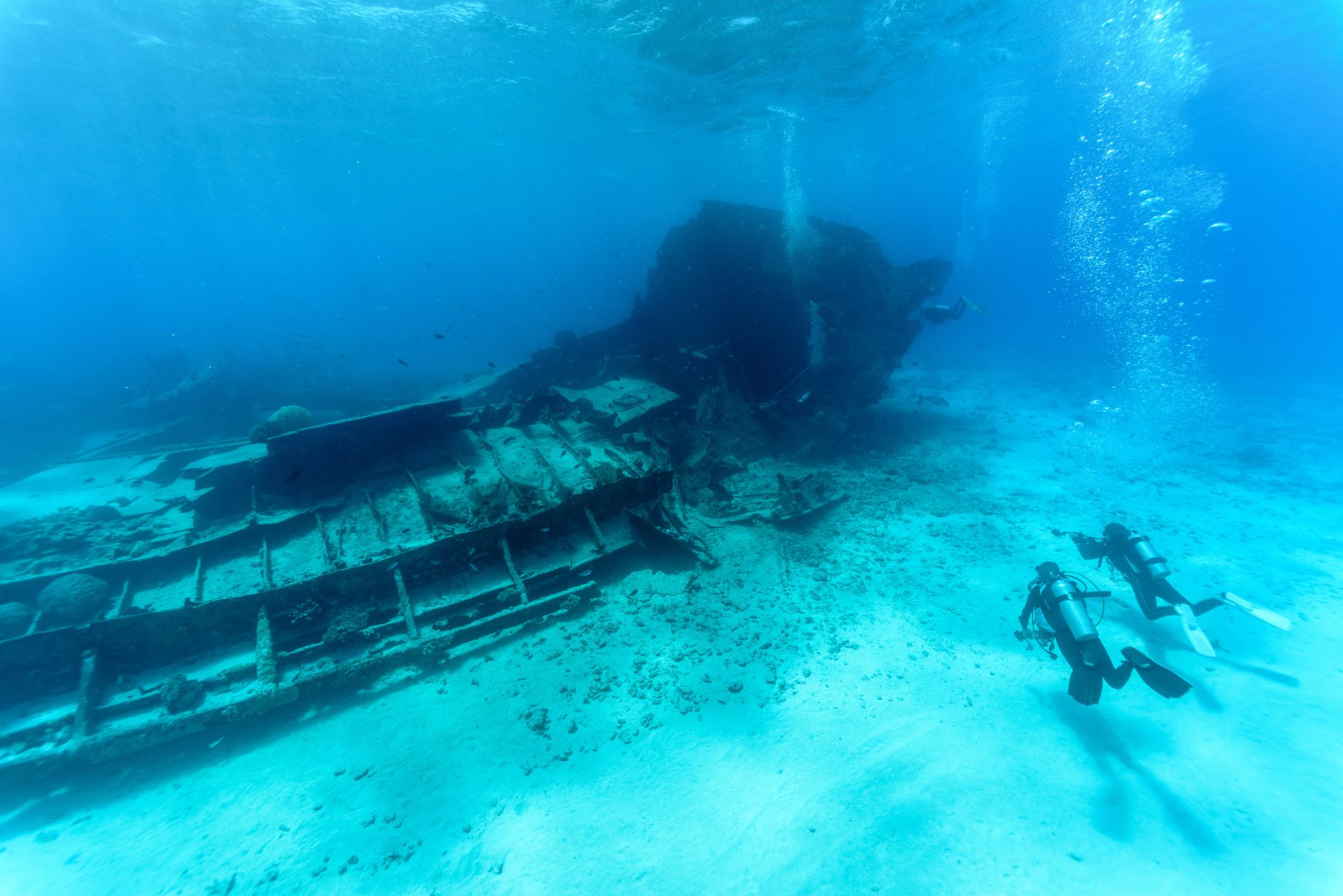
Scottish Prince Shipwreck
Gold Coast, QLD
An 850-ton iron barque that ran aground on the Southport bar in 1887, now in three sections in about 10 m, roughly 500 m offshore and 2 km south of the tip of the Southport Spit.
View dive site →
Wonder Reef
Gold Coast, QLD
The world's first buoyant reef: nine steel sculptures tethered 2.5 km off The Spit, rising from a 30 m seabed to about 8 m below the surface. Dived by permit, on a guided tour or from the bookable public mooring.
View dive site →
Gold Coast Seaway
Gold Coast, QLD
On the incoming tide at the Gold Coast Seaway, the ocean pushes a clear front of blue water through the channel between South Stradbroke Island and The Spit, and a stretch of artificial seabed...
View dive site →
Wave Break Island
Gold Coast, QLD
Sheltered northern rock wall of a man-made island inside the Gold Coast Broadwater, 0 to 12 m (average about 4 m), crowded with fish; used for snorkelling and intro dives.
View dive site →
Palm Beach Reef
Gold Coast, QLD
The Gold Coast's largest reef system: a rocky reef about 950 by 500 m between Tallebudgera and Currumbin creeks, with around ten named sites from 5 to 25 m, corals, sponges and summer leopard sharks; reached by dive boat from the Gold Coast Seaway (25 to 40 min).
View dive site →
Kirra Reef
Gold Coast, QLD
A small rocky reef about 500 m off Kirra Beach in 3 to 8 m, buried by sand bypassing in 2007 to 2008 and partly exposed since 2009; seaweed-covered outcrops with big schools of yellowtail scad, reached by a long swim through the surf break or by boat.
View dive site →
Tweed River
Tweed Heads, NSW
Tidal shore dive on the rock walls at Jack Evans Boat Harbour, Tweed River mouth, 5 to 12 m, known for frogfish and other critters; dive around high tide.
View dive site →
Cook Island
Tweed Heads, NSW
A marine reserve offering encounters with turtles, nudibranchs, and diverse coral formations.
View dive site →
Nine Mile Reef
Tweed Heads, NSW
Nine nautical miles off Tweed Heads, where New South Wales meets the Gold Coast, a reef rises from the deep that on its day ranks among the best dives in...
View dive site →
Fido's Reef
Tweed Heads, NSW
Rocky reef just south of Cook Island off Tweed Heads, 10 to 22 m, covered in corals and sponges, with scattered remains of the Norwegian steamer Fido, wrecked in July 1907. Usually dived as a drift.
View dive site →
Alberta Wreck
Tweed Heads, NSW
Remains of the steel steamer Alberta, wrecked on the reef off Kingscliff in 1890: collapsed hull, boilers on the sand and resident wobbegongs, in about 10 to 16 m.
View dive site →Diving near Gold Coast: what to know
Just over the border at Tweed Heads, Cook Island is a marine reserve known for its turtles, Fido's Reef is dived as a drift, and Nine Mile Reef is the deep offshore option. Leopard sharks visit Palm Beach Reef and the Tweed reefs in summer. For critters, the Tweed River rock walls hold frogfish and ghost pipefish; dive them around high tide.
Water runs from about 19°C in winter to 26°C in summer. Rain clouds the reefs near the creek mouths, and boats reach Palm Beach Reef and the Tweed sites across shallow river and creek bars, so trips depend on the swell. Wonder Reef is dived by permit, on a guided tour or from its bookable public mooring.
Read next: Leopard sharks in Australia | Green sea turtles
Planning a dive? Check today's visibility forecast, find dive shops in Gold Coast, or browse every dive site in Australia.