Learn to Dive
Finding Dive Buddies and Clubs in Australia
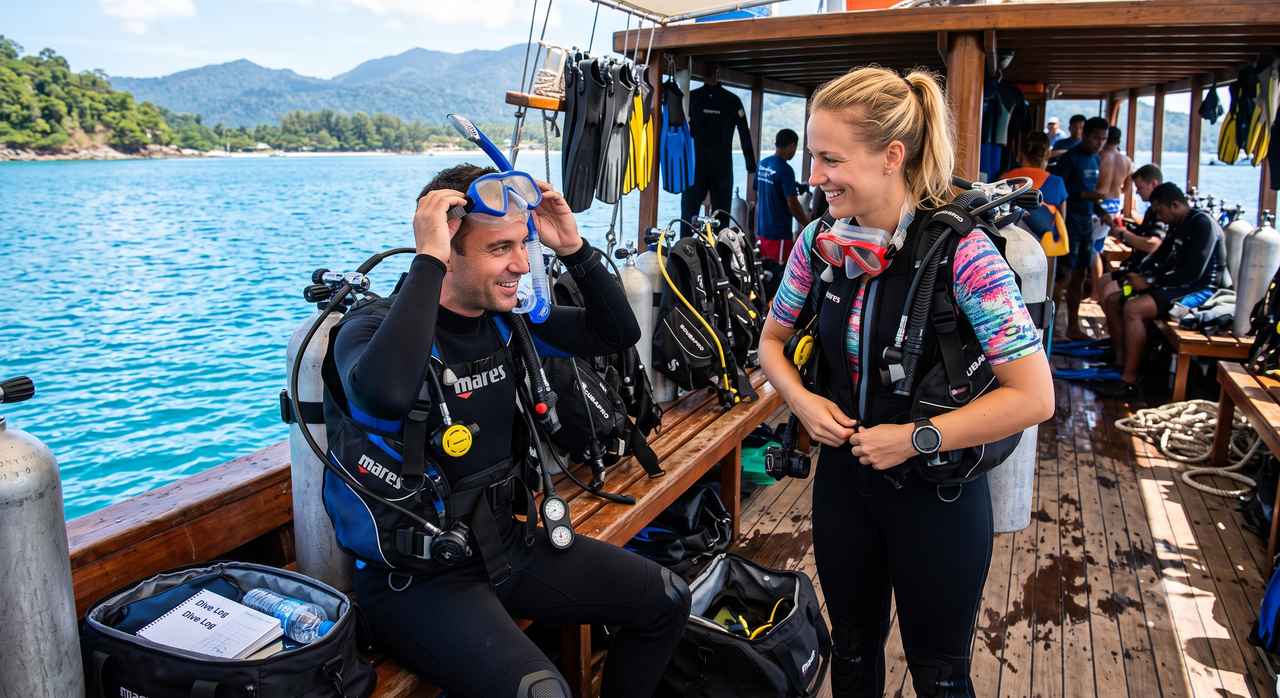
Where to find dive buddies and clubs across Australia: university and community clubs, shop social dives, online groups and buddy etiquette basics.
By ScubaDownUnder Team · Published 19 July 2026
Finding Dive Buddies and Clubs in Australia
Certification teaches you to dive. It does not hand you people to dive with, and since recreational diving is built around the buddy system, a new diver without dive mates is a diver who slowly stops diving. The social infrastructure exists in Australia, but it is patchy, word-of-mouth and very different from state to state. Here is an honest map of it, and how to plug yourself in.
The Club Landscape, Honestly
There is no single national register of dive clubs, and the scene is a mixed bag of old institutions and informal groups. The main types you will encounter:
- University clubs: most large universities have a dive or underwater club. They are usually the cheapest way into the sport, run regular trips, often own gear and compressors, and many accept community members or alumni, not just students. - Community clubs: long-running incorporated clubs survive in many coastal suburbs and regional towns, some dating back half a century. Expect monthly meetings, organised shore and boat trips, occasionally a club boat, and modest annual fees. Their average age skews older, which means deep local knowledge and patient mentors for a new diver. - Shop-run social groups: the most common modern form. A shop organises weekend dives, anyone can join, and the only commitment is showing up. - Special-interest groups: underwater photography circles, citizen-science and reef-monitoring volunteer groups, and freediving clubs with scuba crossover. These attract dedicated regulars and are a great way to give your diving a purpose.
A word of honesty: club listings you find online are often stale, and some clubs that look active on a website have not run a trip in years. Judge a club by its last three months of activity, not its history page. The reliable discovery method is unglamorous: search your city or region plus "dive club", ask staff at your local dive shops which groups actually dive, and join your state's diving Facebook groups and watch who posts trip reports.
State by State
- New South Wales: the deepest bench in the country. Sydney's shore diving culture means cheap, frequent, social diving, with active clubs and very busy online buddy groups. - Victoria: Melbourne and the Mornington Peninsula anchor a strong club tradition. The cold water filters for commitment; the people who stay are keen. - Queensland: more commercial and charter-oriented, especially up north where tourism dominates. South-east Queensland has lively shop socials and weekend boat crews. - South Australia: a tight-knit scene built around the jetty diving culture. Adelaide divers are famously welcoming to newcomers who show up regularly. - Western Australia: Perth is the hub, with regional outposts in places like Albany and Exmouth. Distances are real, so trips tend to be organised affairs rather than casual meetups. - Tasmania: small, hardy and friendly, with cold water and superb diving for those who join in. - Northern Territory: the smallest scene, with tide-driven conditions; most diving is organised through shops and charters rather than clubs.
Shop Social Dives
If you do only one thing, do this. Most dive shops run social dives: free or near-free guided shore dives if you have your own gear, or discounted spots on boat days. Shops run them because divers who dive keep buying, which means the incentives line up nicely for you. There is no membership, no committee and no obligation; you show up, dive, and meet every active diver in your suburb within a month. Find your nearest operators in the dive shops directory and ask one question: "When is your next social dive?"
Online Communities
Every state, and most cities, has Facebook groups dedicated to diving and buddy-finding, and they are where much of Australia's casual diving gets organised. Reddit's scuba communities and a few long-running forums add an international layer, and many course groups spin off into WhatsApp threads that outlive the course. When posting for a buddy, give the details that matter: certification level, rough dive count, recency, whether you have your own gear, and the site you have in mind. When meeting an online stranger for a first dive, treat it like a first date with tanks: an easy, familiar shore site, daylight, a conservative plan, and coffee after to debrief.
What If You Live Far From the Coast?
Inland divers exist, and they manage. The pattern that works is the travel pod: a small group, often formed through a course or an online group, that organises weekend trips to the coast a few times a season, sharing fuel, accommodation and tank fills. Some inland regions even have their own diving: the sinkholes and freshwater ponds of South Australia's Limestone Coast are world-famous, and several states have quarries and lakes used for training. Distance thins the options but sharpens the commitment, and inland clubs tend to be tight crews precisely because every dive takes planning.
Buddy Etiquette for New Divers
A few habits make you the buddy people invite back:
- Be upfront about your experience, including how recently you last dived. Nobody minds a new diver; everyone minds a surprise. - Do the buddy check every time, even when the other diver waves it off. The core safety habits are non-negotiable precisely because they are habits. - Agree the plan before descending: maximum depth, time, turn pressure, and what you will both do if separated. - The least experienced diver sets the plan. A good buddy pair dives to the comfort level of its newest member, without drama. - Anyone can call any dive, at any point, for any reason. Read when to say no to a dive and extend the same courtesy you would want. - Understand what a buddy is: mutual support, not supervision. If you want a guide, hire one; our piece on solo versus buddy diving explains why the system exists at all. - Reciprocate. Share the driving, fill the tanks, shout the post-dive coffee. Small currencies, large returns.
Your First Month, Sorted
Three moves will get you from certified-and-alone to part of a scene:
1. Join your state or city diving Facebook group and introduce yourself honestly. 2. Book one shop social dive through the dive shops directory. 3. Ask the shop staff which local clubs are genuinely active, and turn up to whatever they name.
Pick easy sites from the dive sites index while you build experience, say yes to invitations, and within a season you will have the problem every diver wants: more dive offers than weekends.