Ningaloo Reef
Exmouth, WA
Ningaloo Reef: Western Australia's Coral Masterpiece for Every Diver
By ScubaDownUnder Team · 2026-04-11
Ningaloo Reef: Western Australia's Coral Masterpiece for Every Diver
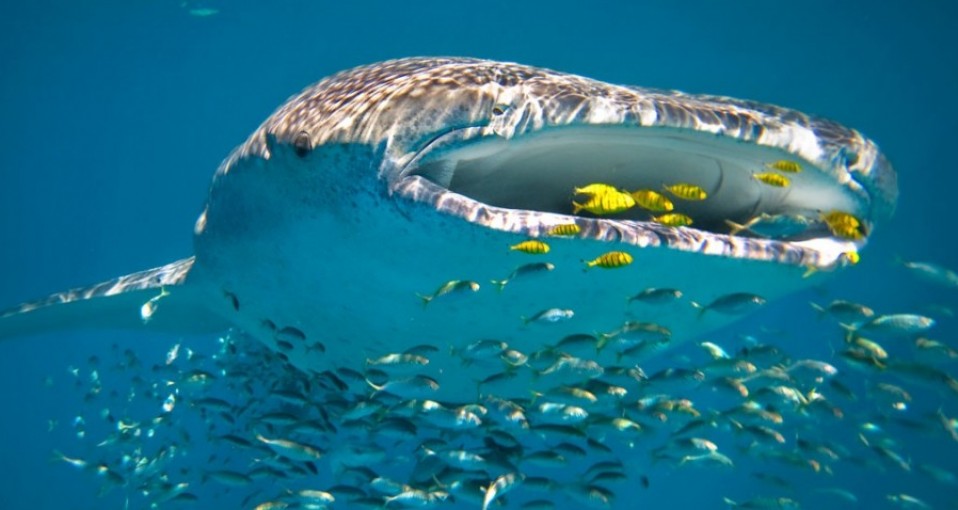
Ningaloo Reef, Western Australia’s magnificent fringing coral reef, offers an unparalleled dive and snorkel experience, welcoming divers of all levels. Ranging from 3 to 30 metres, it boasts pristine coral gardens, abundant reef sharks, graceful manta rays, and is globally renowned for its seasonal whale shark encounters. Its unique accessibility directly from shore, alongside boat tours, makes it a world-class destination. The vibrant ecosystem, with typically clear waters and warm temperatures, promises unforgettable encounters within a thriving marine sanctuary. Ningaloo is a testament to nature’s grandeur, providing extraordinary adventures from beginner to advanced.
The Essentials: Diving into a World Heritage Gem
For those planning an expedition to Ningaloo Reef, here are the crucial details for a safe and exhilarating dive:
- Depth Range: 3-30m. Accessible for beginners in shallow lagoons, with deeper reef sections for advanced divers. Open Water certified divers can enjoy a vast majority of the reef. - Visibility: Typically excellent, ranging from 10-25m, often exceeding 30m in optimal conditions. Can be reduced by strong winds and seasonal plankton blooms (especially during whale shark season). - Water Temperature: 22-26°C. A 3mm wetsuit or rash vest is often sufficient year-round, making for comfortable extended dives. - Current/Conditions: Generally mild currents within sheltered lagoons, but can be stronger on outer reef sections or with tidal changes. Shore diving can involve mild surge at entry/exit points. - Viz Implications: Visibility at Ningaloo Reef is generally excellent due to minimal coastal runoff from the arid coastline. Periods of reduced visibility can occur due to strong winds creating chop and stirring up fine sand in shallower areas, or during seasonal plankton blooms which, while reducing clarity, attract large pelagics like whale sharks. Divers should be aware of daily changes in conditions and consult local operators. - Terrain & Navigation: Exploring Fringing Coral Gardens
The underwater topography of Ningaloo Reef is characterised by its fringing reef structure, offering a diverse array of coral gardens, bommies, and sandy channels. Key navigational features and points of interest include:
- Coral Gardens: Extensive areas of pristine hard and soft corals, providing shelter and food for countless reef fish. - Bommies: Isolated coral heads rising from the seabed, often attracting schools of fish and larger marine life. - Sandy Channels: Natural pathways between reef sections, ideal for spotting rays and other bottom dwellers. - Manta Ray Cleaning Stations: Specific locations where manta rays congregate to be cleaned by smaller fish. - Shore Access & Boat Dives: Many sites are accessible directly from shore (e.g., Turquoise Bay), while numerous boat tours explore offshore reef sections. - Marine Life Highlights: A Mecca for Oceanic Giants
Ningaloo Reef is a world-renowned biodiversity hotspot, famous for its extraordinary encounters with large pelagics and vibrant reef life.
- Whale Sharks: The undeniable stars of Ningaloo (March-August), offering unparalleled swimming encounters. - Manta Rays: Frequent sightings at cleaning stations and gliding along the reef. - Reef Sharks: Whitetip and blacktip reef sharks are commonly seen patrolling the reef. - Turtles: Green, loggerhead, and hawksbill turtles are abundant, often seen resting or feeding. - Coral Trout & Groupers: Large predatory fish are common residents of the reef. - Dugongs: Occasional sightings in the protected lagoons. - Humpback Whales: Migrating past the reef from June to November. - Logistics & Facilities: Planning Your Exmouth Adventure
Diving Ningaloo Reef is a major draw, requiring some planning, particularly during peak seasons:
- Accessibility: Located near Exmouth and Coral Bay, WA. Easily accessible by road, with flights to Learmonth (near Exmouth). Many dive/snorkel sites are shore-accessible. - Facilities: Exmouth and Coral Bay offer full dive services, including gear rental, air/nitrox fills, guided tours (including whale shark and manta ray tours), and a wide range of accommodation. - Best Time to Dive: Whale shark season runs from March to August. Manta rays are present year-round but more common from May to November. Overall, the dry season (April to October) offers the most reliable weather. - Conservation: Protected as a UNESCO World Heritage Site. Strict adherence to marine park regulations, including "no-touch" policies and responsible wildlife interaction guidelines, is mandatory. ## Who Is It For?: Ningaloo Welcomes All Ocean Lovers
Ningaloo Reef is genuinely a paradise for all ocean lovers. Beginners will revel in the shallow, pristine lagoons, while experienced divers will find endless exploration opportunities on the outer reef. Its unique combination of easy access, incredible biodiversity, and iconic megafauna encounters makes it a dream destination for snorkellers, divers, and marine enthusiasts of every skill level.
Pro-Tip: Embrace the Blue
The "vibe" of Ningaloo Reef is one of boundless natural wonder and awe-inspiring encounters. While the coral gardens are magnificent, remember to keep an eye out into the blue. Ningaloo's true magic often reveals itself in the fleeting glimpse of a passing whale shark or a graceful manta ray, creating memories that last a lifetime.
- Related Dive Sites/Information:
- Exmouth Dive - Exmouth Diving - Muiron Bay
Visibility at Ningaloo Reef
Visibility at Ningaloo Reef typically ranges from 20 to 50 metres, though it shifts with swell, wind and recent rainfall. March-August for whale sharks generally offers the best conditions for diving here.
Right now: approximately 8 m, 88% confidence (updated 10:34 AEDT).
View the live forecast and 7-day outlook for Ningaloo Reef →